
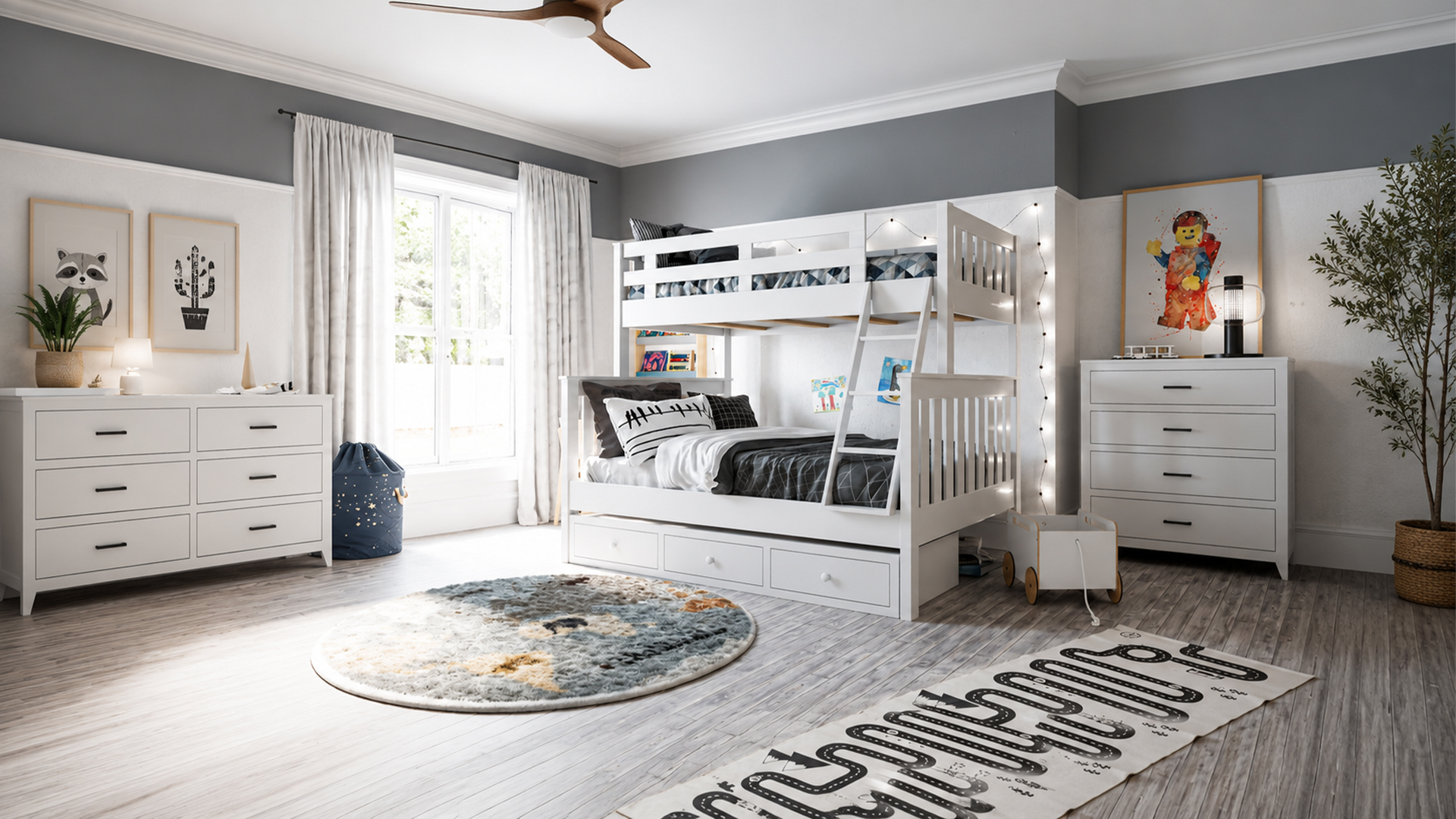
Children’s Furniture
Furniture for Every Stage of Childhood
Solid Wood Children’s Furniture
Children’s rooms change quickly as sleeping needs, storage needs, and daily routines evolve. Amish Country Heirlooms offers handcrafted children’s furniture for nurseries, bedrooms, shared spaces, and playrooms, including cribs, toddler beds, child beds, bunk beds, dressers, chests, nightstands, tables, chairs, rockers, toy boxes, and complete collections.
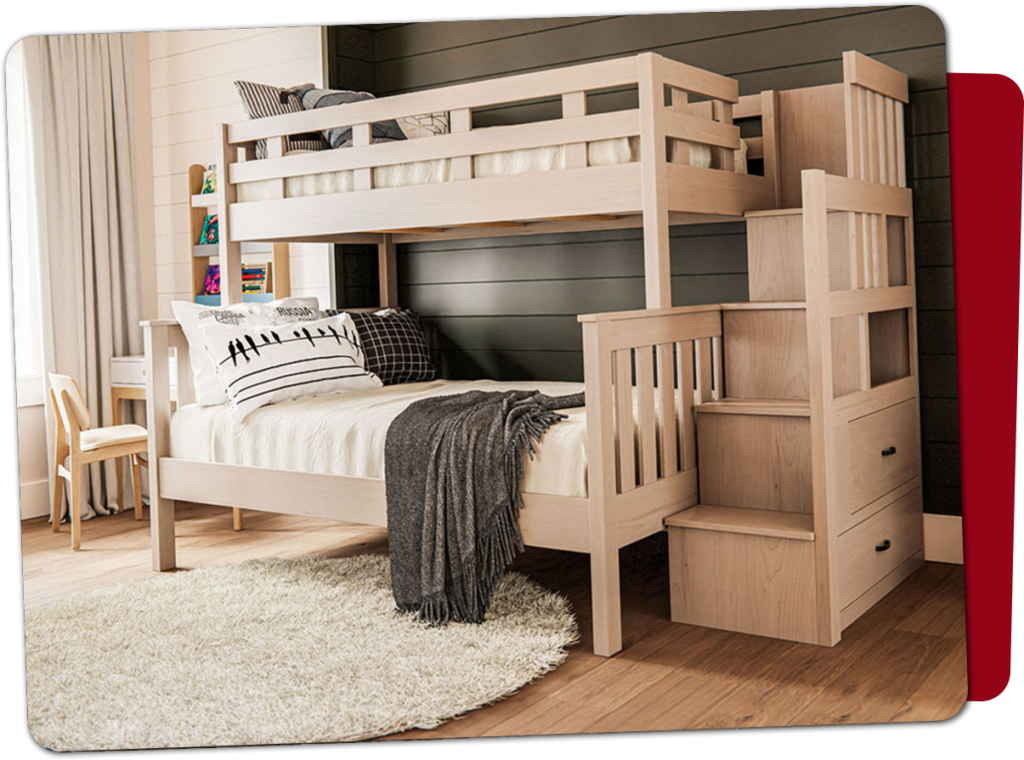
Our Featured Children’s Furniture Collections
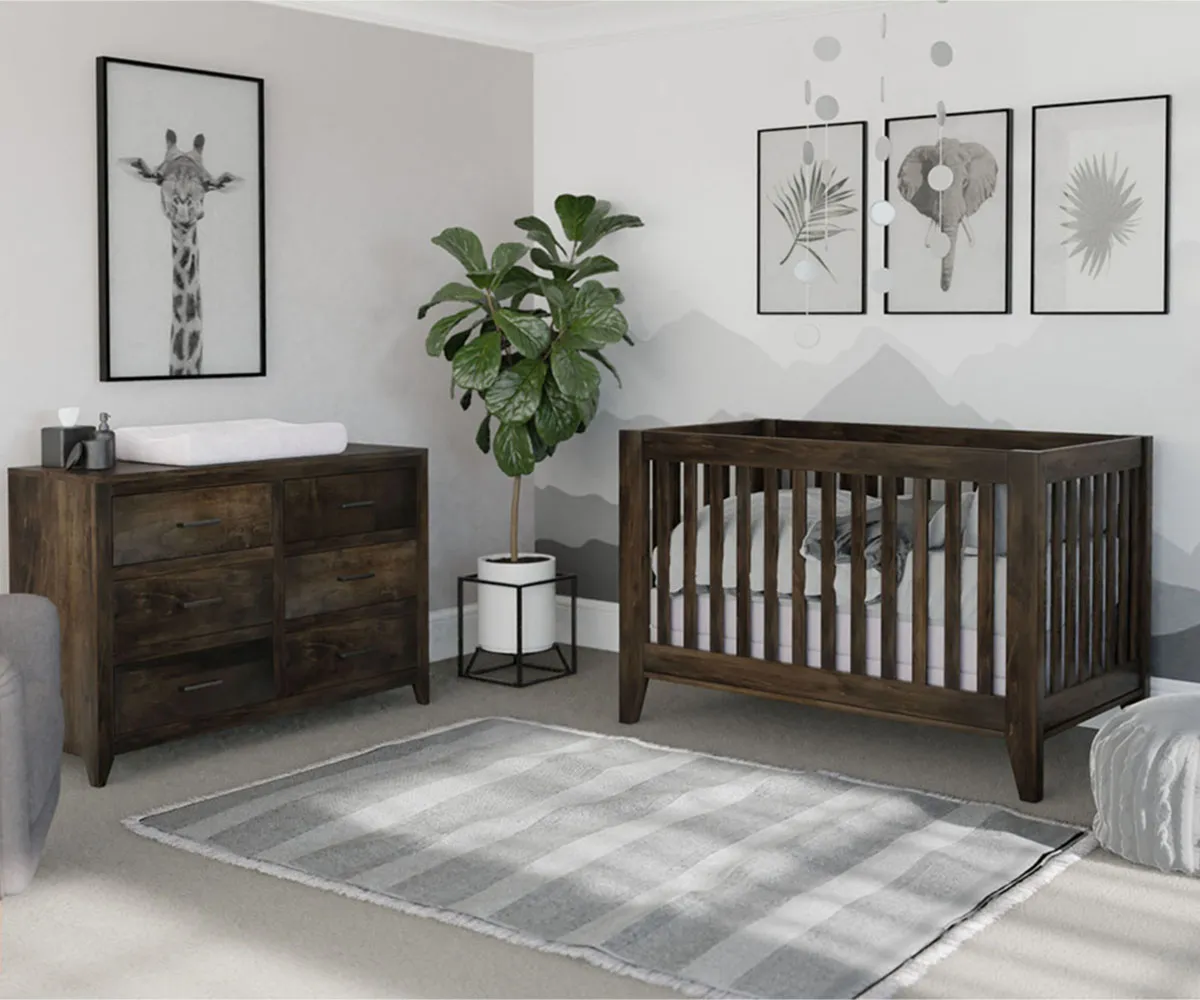
Newport Collection
Shown With:
Wood: Brown Maple
Stain: FC Shadow
This Collection Includes:
- Newport Crib
- Newport 7 Drawer Dresser
- Newport 6 Drawer Dresser
- Newport 4 Drawer Chest
- Newport 1 Drawer Nightstand
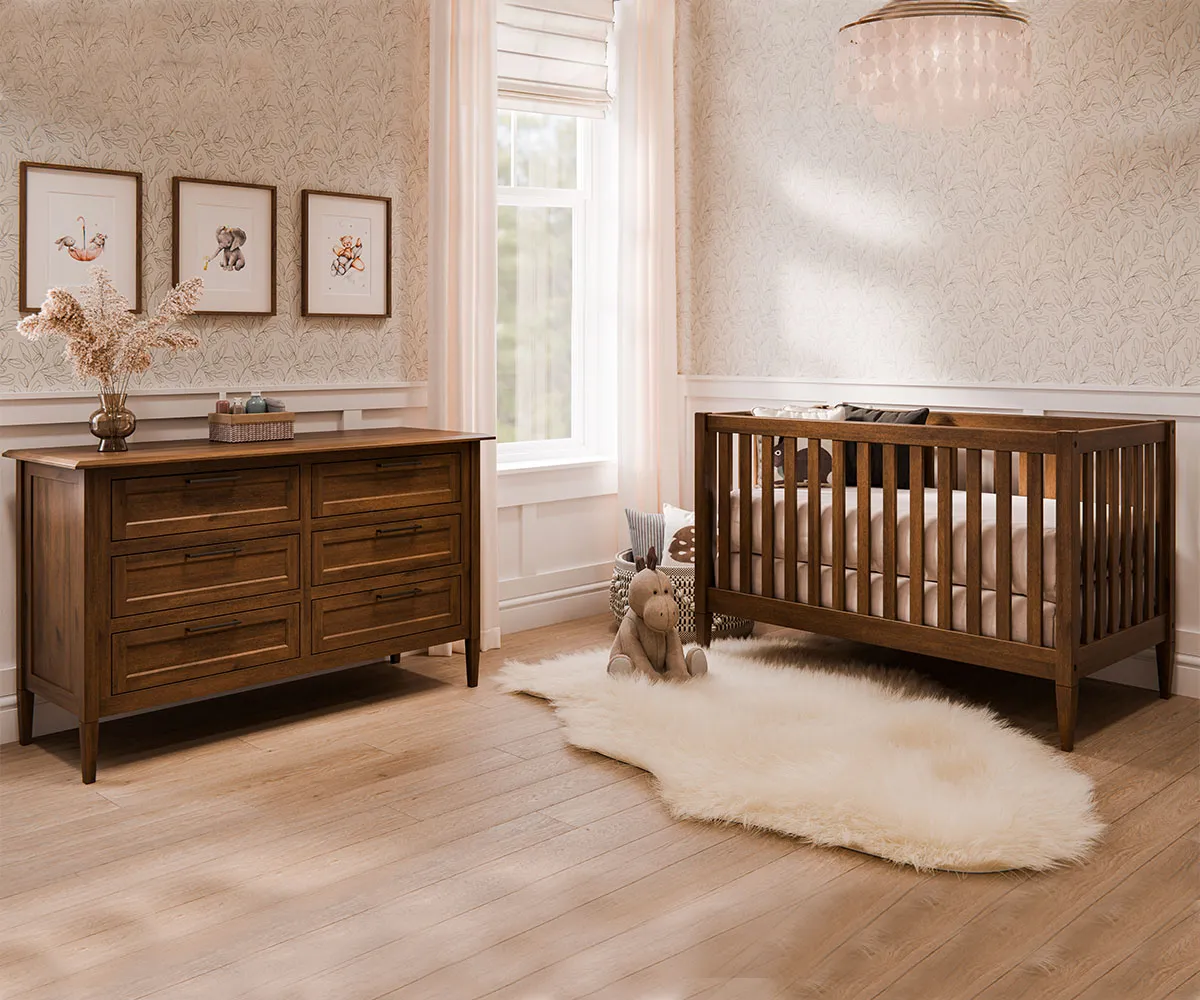
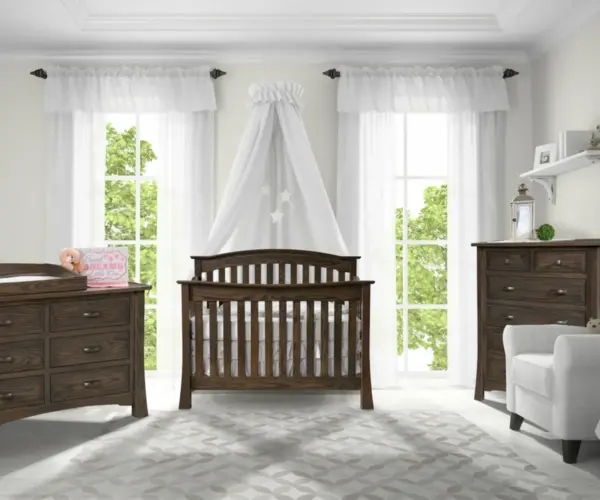
Willow Collection
Shown With:
Wood: Brown Maple
Stain: OCS Cappuccino
This Collection Includes:
- Willow Crib
- Willow 7 Drawer Dresser
- Willow 6 Drawer Dresser
- Willow Chest
- Willow Nightstand
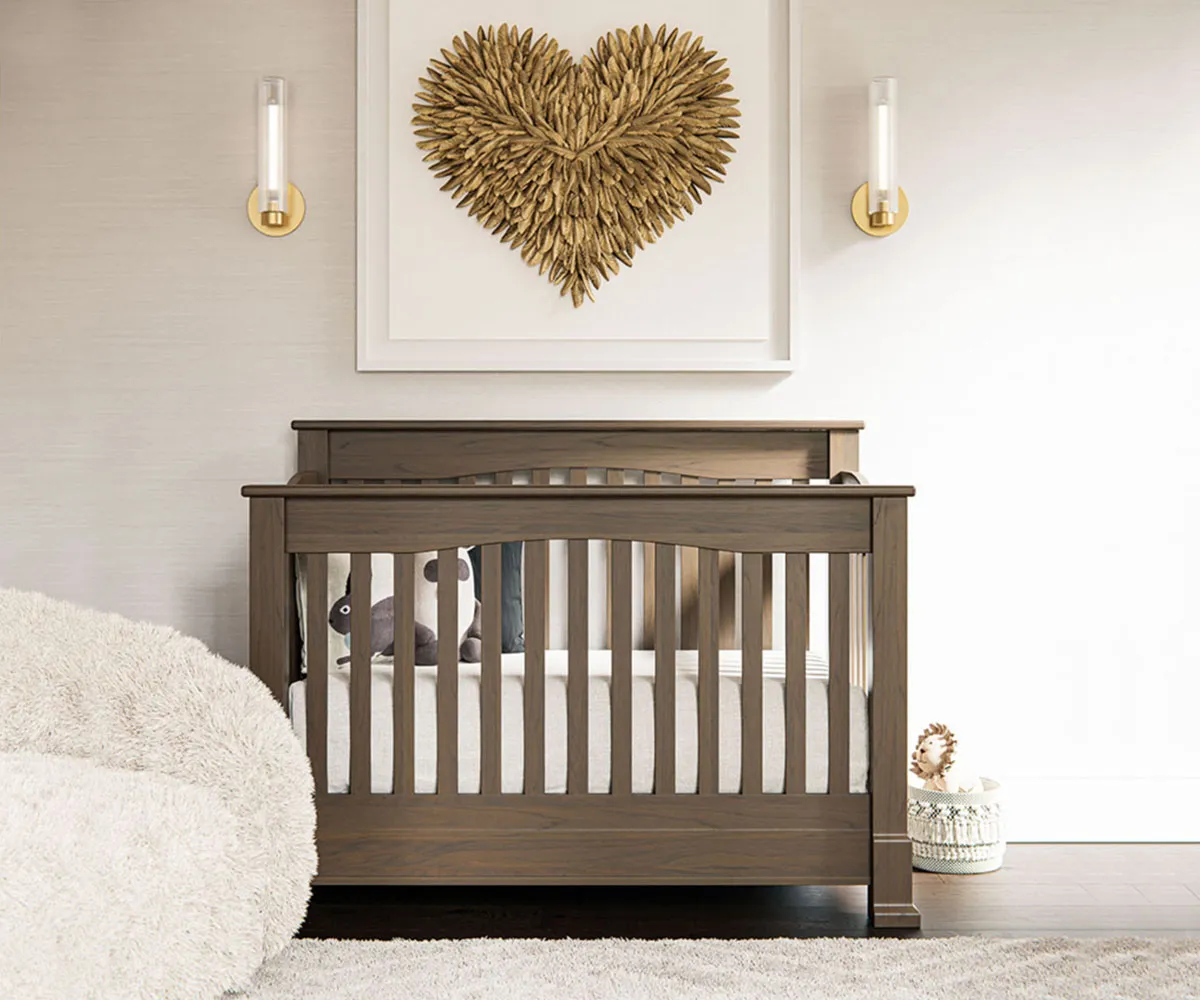
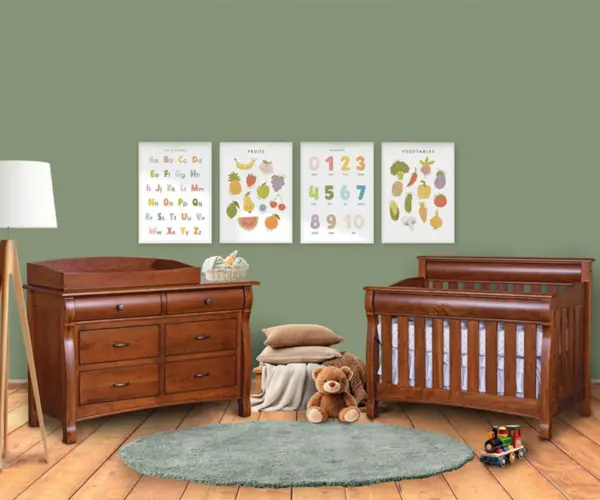
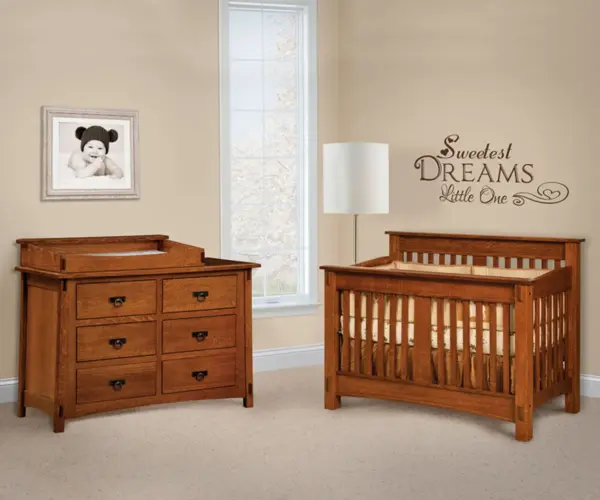
Mackenzie Collection
Shown With:
Stain: FC Almond
This Collection Includes:
- Mackenzie Crib – Panel Back
- Mackenzie Crib – Slat Back
- Mackenzie 7 Drawer Dresser
- Mackenzie 6 Drawer Dresser
- Mackenzie Chest
- Mackenzie Nightstand
Browse Children’s Furniture Categories
Made With Care for the People Who Matter Most
Choosing furniture for a child’s room often involves balancing appearance, function, room size, storage, and future needs. Reviews can provide helpful insight into the quality of the furniture as well as the guidance customers receive while comparing styles and customization options.
At Amish Country Heirlooms, the design team takes time to understand how each room will be used. Whether customers are choosing a crib, planning a shared bedroom, or adding storage to a playroom, the goal is to make the process feel comfortable, informed, and personal.


Create a Comfortable Place to Rest and Grow
Choose the Right Bed for Each Early Stage
A child’s sleeping needs change considerably during the first several years. A traditional crib creates a dedicated nursery sleep space, a convertible crib may adapt into additional configurations, a toddler bed provides a smaller transition from the crib, and a child bed offers more room for the years ahead. Consider the child’s current stage, the room’s available space, and how long you hope to use the furniture before moving to another size.
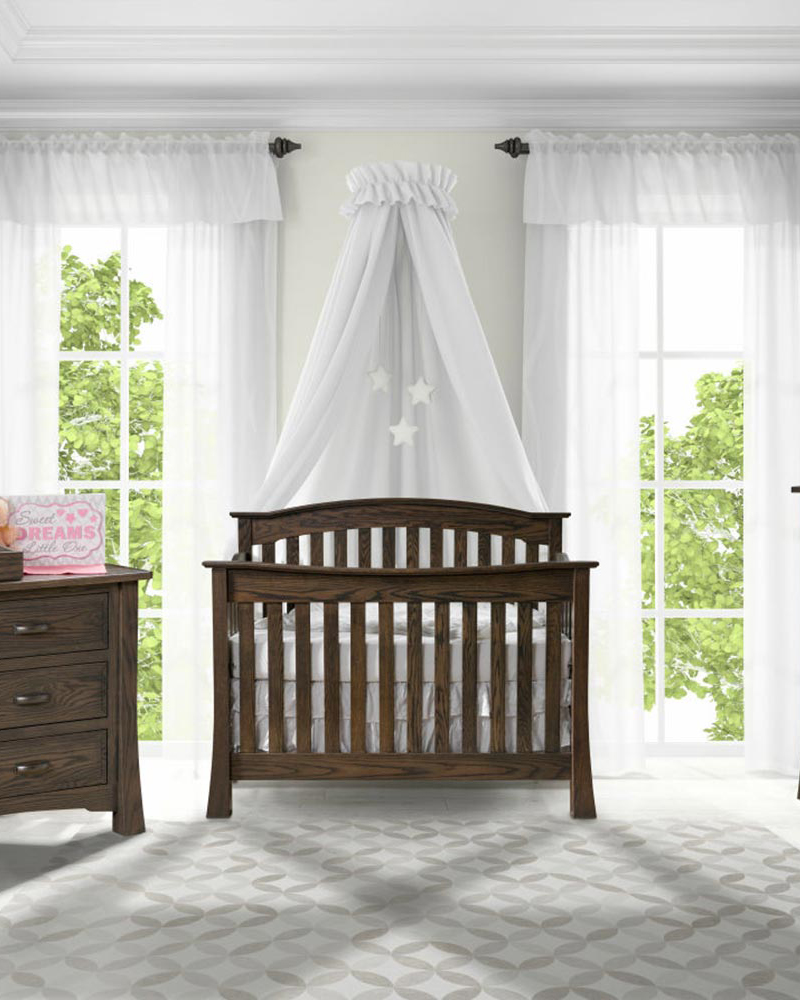
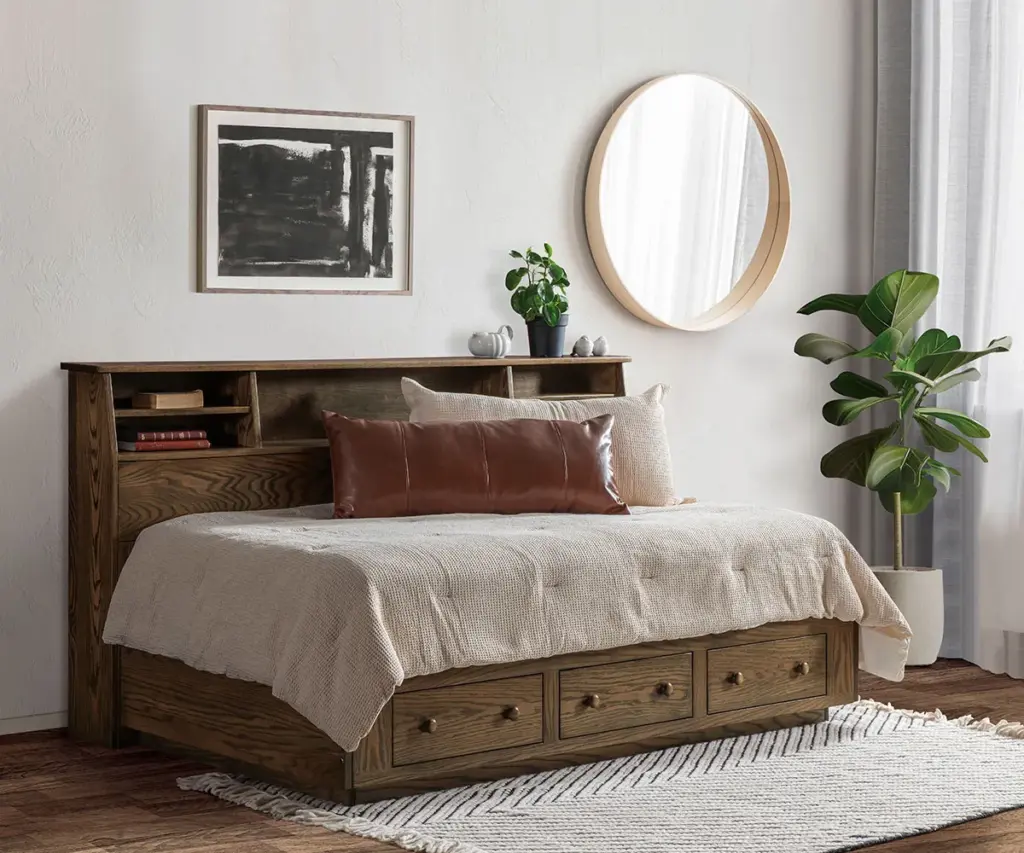
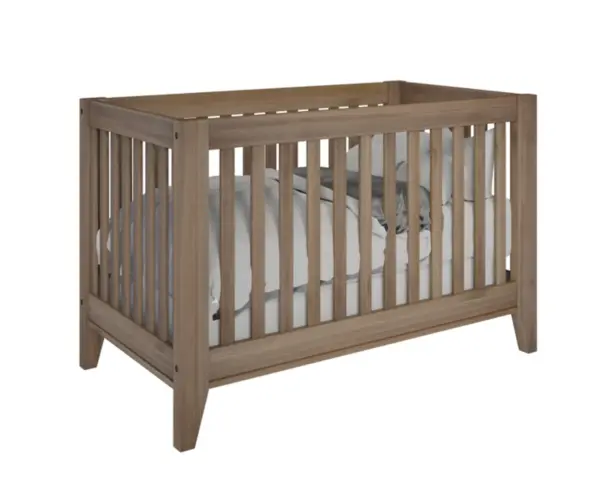
Cribs create a dedicated sleeping space for infants while establishing the main layout of the nursery. Solid wood designs can coordinate with changing tables, dressers, nightstands, and other nursery furniture.
Measure the room carefully and make sure there is convenient access around the crib. Always use the intended mattress size, assemble the crib according to the manufacturer’s instructions, and follow all provided use and safety guidance.
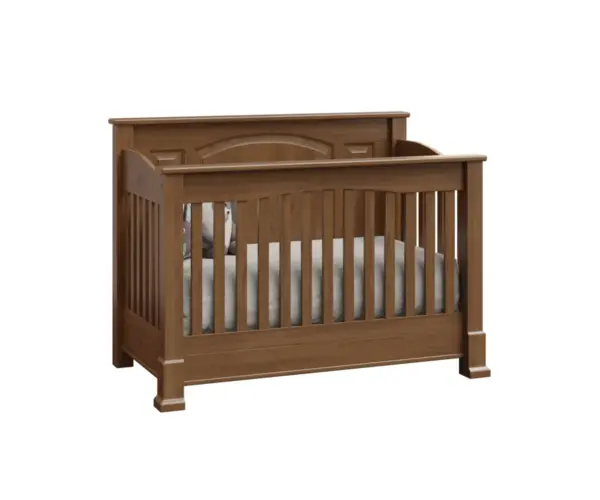
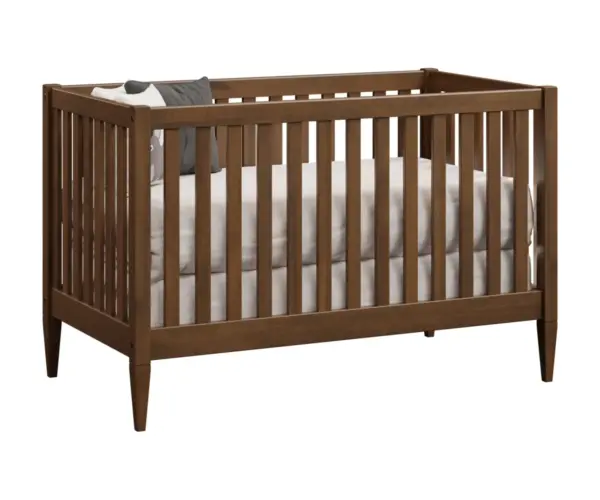
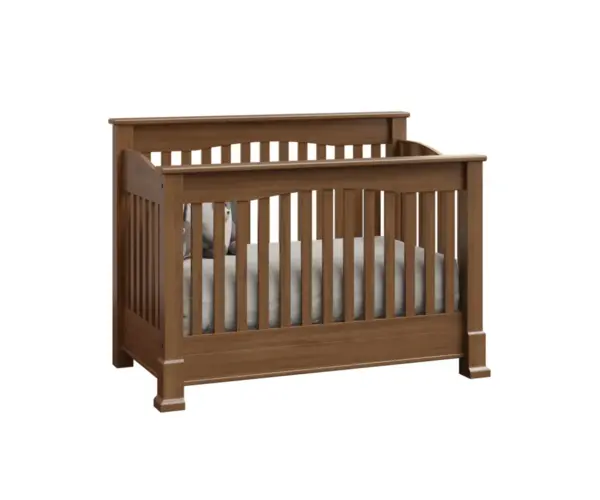
Convertible cribs are designed to adapt into one or more additional bed configurations as a child grows. Depending on the model, the crib may later convert into a toddler bed, daybed, or larger bed using the required conversion components.
These designs can provide continuity between the nursery and the child’s later bedroom. Review exactly which configurations are available and whether conversion rails or other pieces must be purchased separately.
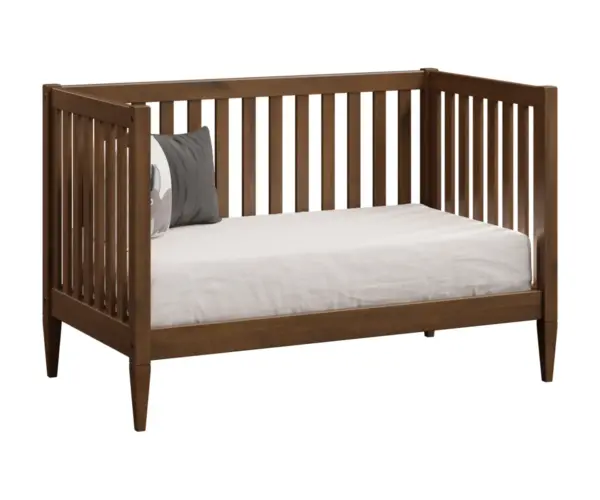
Toddler beds provide a smaller sleeping surface positioned closer to the floor than many standard beds. They can make the transition from a crib feel more familiar while allowing the child to enter and exit independently.
Because toddler beds are intended for a limited stage, consider how long the size is likely to remain useful. Follow the manufacturer’s recommended mattress, age, height, and weight guidance for the selected model.
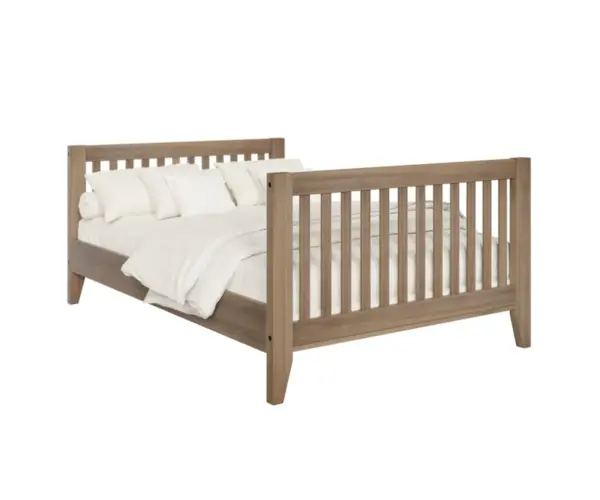
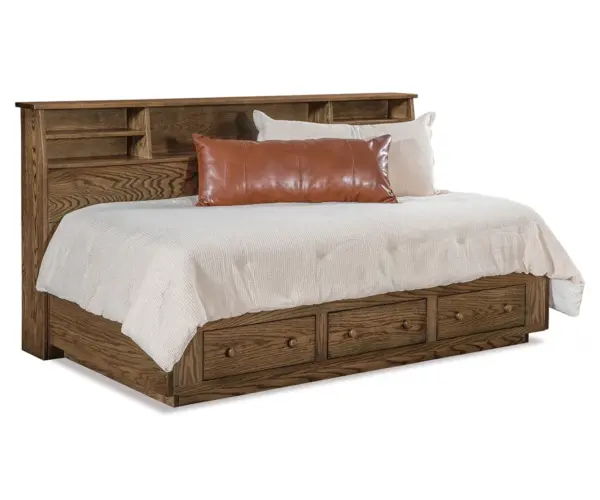
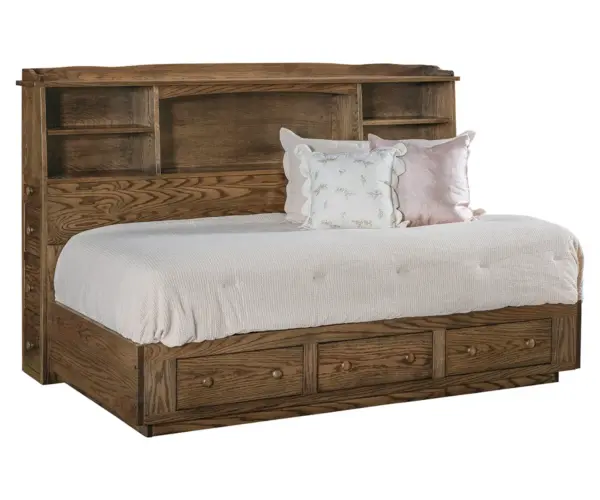
Child beds provide a more permanent bedroom arrangement after the crib or toddler-bed stage. They may be available in twin or other sizes and can coordinate with dressers, chests, nightstands, and complete bedroom collections.
A child bed can remain useful for many years when selected with future needs in mind. Account for mattress size, room for growth, bedside furniture, and comfortable walking space around the bed.
Our Latest Convertible Cribs
Our Latest Child & Toddler Beds
Start With a Children’s Collection You Love
Explore Complete Children’s Furniture Collections
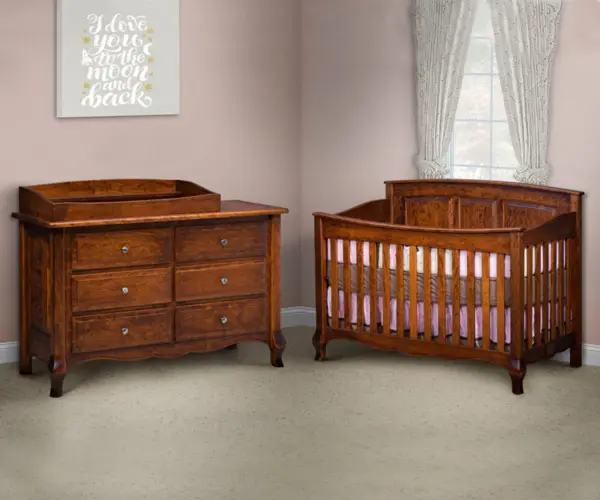
A children’s furniture collection makes it easier to create a room that feels coordinated while still choosing only the pieces your family needs. Begin with a crib, bed, or bunk bed, then add complementary dressers, chests, nightstands, tables, or seating based on the size and function of the room.
A complete collection can also simplify future additions. By keeping the wood, finish, hardware, and design details consistent, you can add furniture as storage needs increase or the room transitions from a nursery into a child’s bedroom.
Give Them a Seat That Fits
Find Comfortable Seating for Every Part of the Day
Children benefit from seating designed around their size and the activity taking place. General children’s chairs provide versatile seating, youth chairs offer an appropriately scaled alternative to adult furniture, high chairs bring younger children to the family table, and rockers create a comfortable place for reading or relaxation. Consider seat height, stability, available floor space, and how long each piece is likely to remain useful.
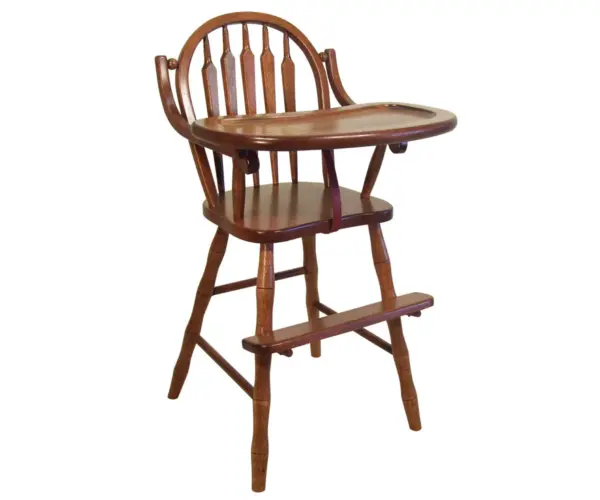
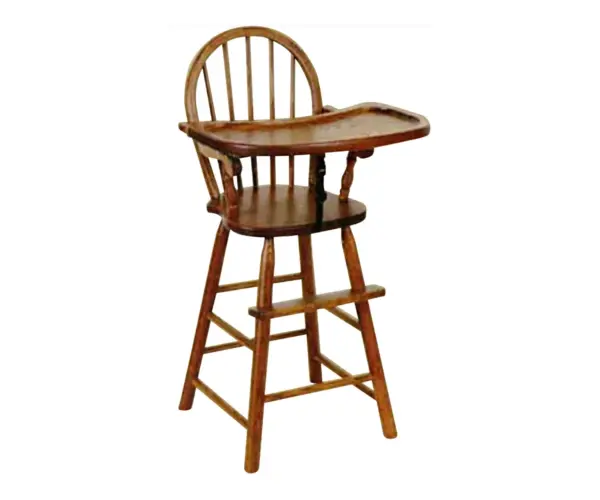
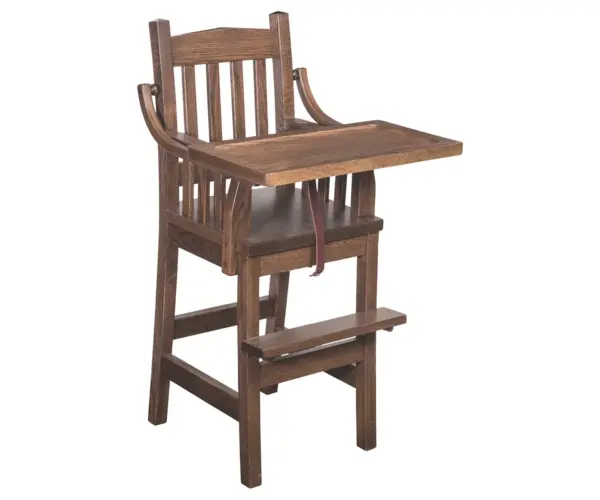
High Chairs
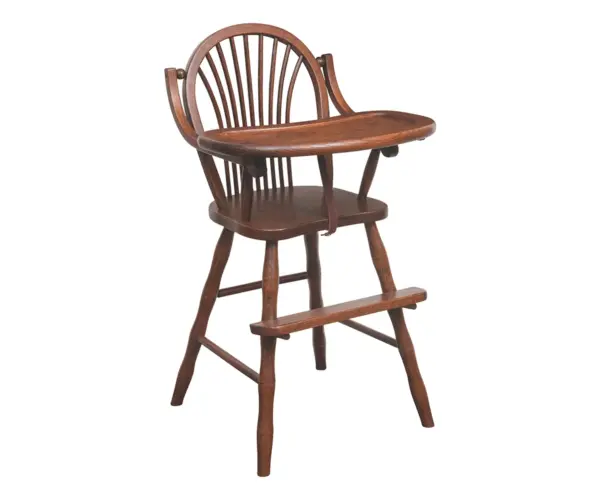
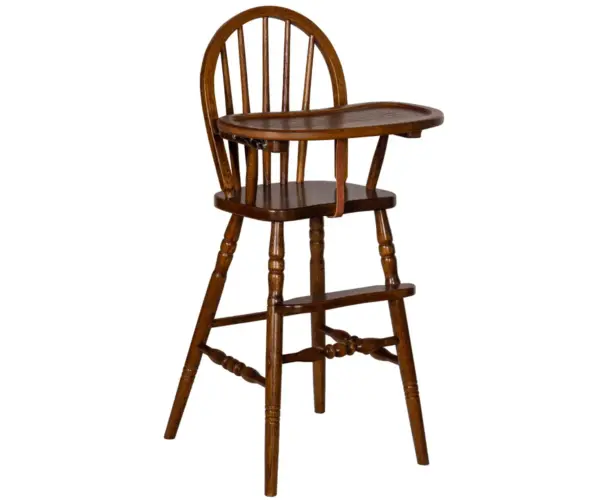
High chairs raise younger children to an appropriate height for meals at the family table. Solid wood designs can complement surrounding dining furniture while providing a dedicated place for feeding and family interaction.
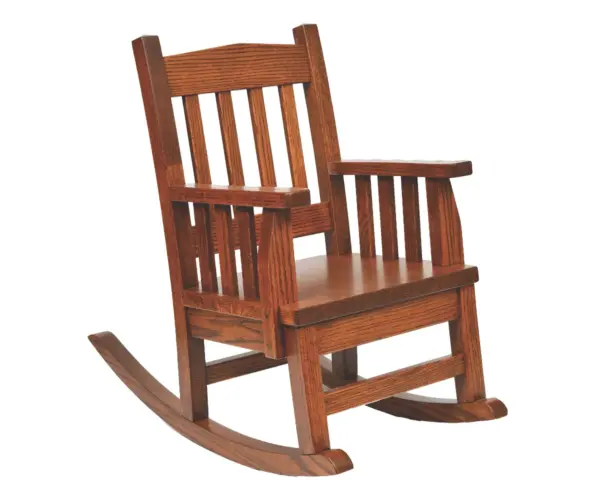
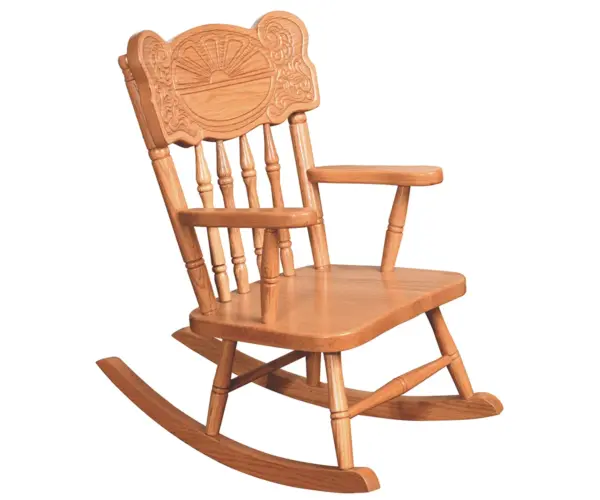
Rockers
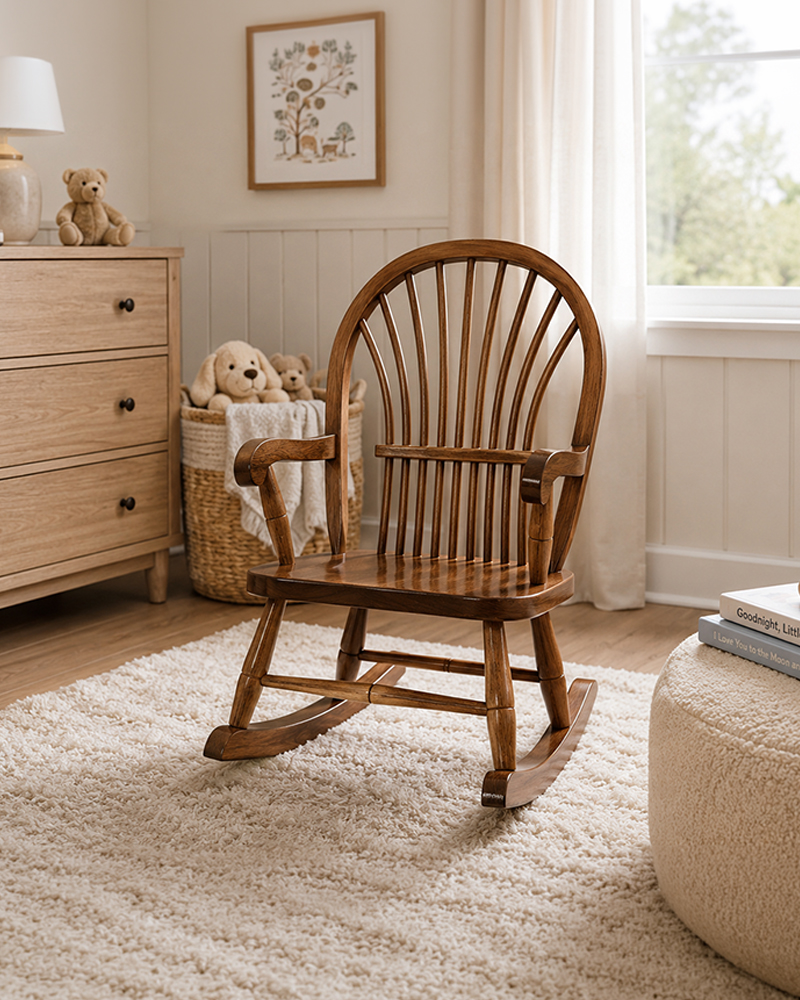
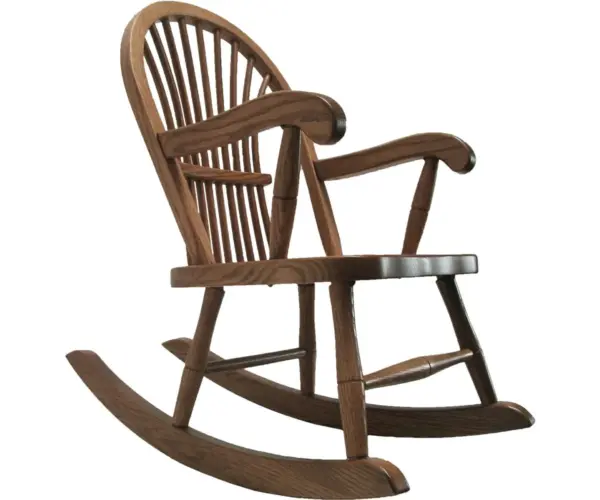
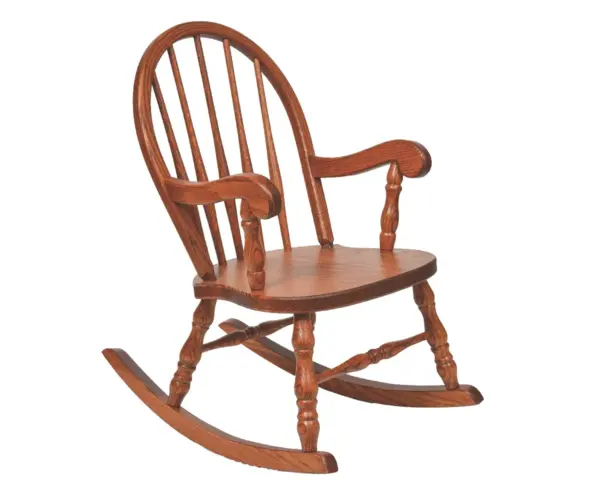
Children’s rockers provide a gentle rocking motion within a smaller, child-friendly scale. They can be used for reading, quiet play, or as a special seat in a bedroom or playroom.
Youth Chairs
Youth chairs offer a larger seating option for children who have outgrown toddler-sized furniture but are not yet comfortable in full-size adult chairs. They work well at youth desks, activity tables, or as independent bedroom seating.
Our Latest Rockers
Our Latest High Chairs
Make Better Use of a Child’s Bedroom
Create More Room for Rest, Storage, and Play
Children’s bedrooms often need to support sleeping, dressing, reading, play, and storage within a limited amount of space. Bunk beds use vertical space for shared sleeping arrangements, chests provide tall drawer storage, dressers offer broad storage and a useful top surface, and nightstands keep bedtime necessities close at hand. The right combination can make the room easier to use without filling every available wall.
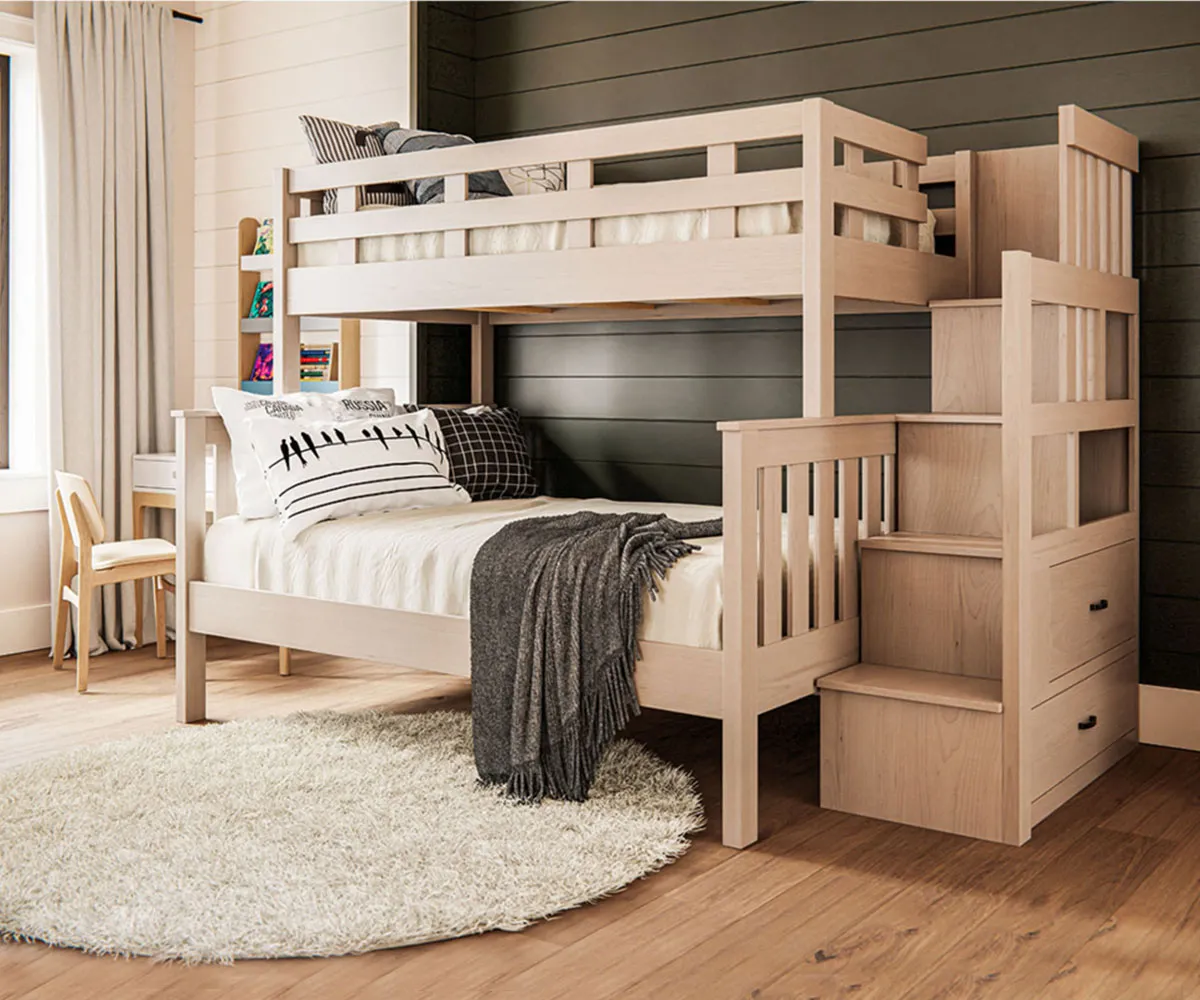
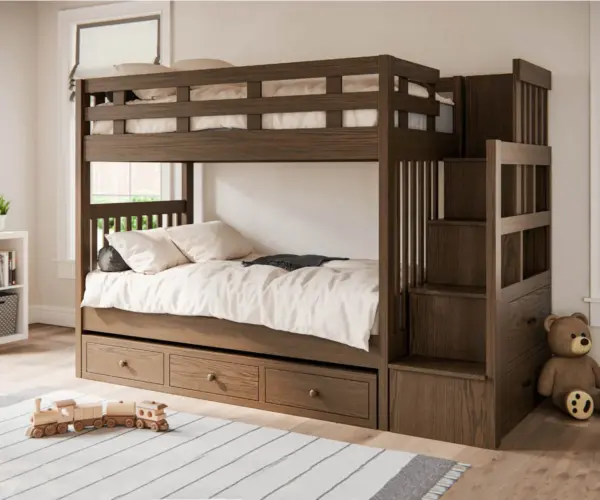
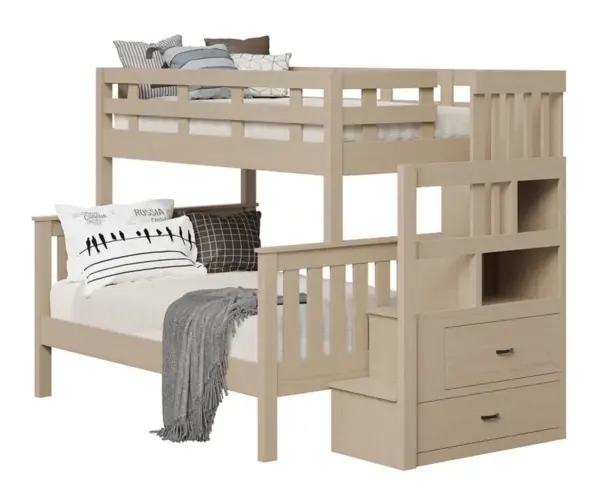
Bunk beds place one sleeping surface above another, making them useful in shared bedrooms, guest spaces, and rooms where preserving floor area is important. Some designs may include stairs, ladders, drawers, shelving, or additional storage.
Measure the room’s ceiling height and confirm that there is comfortable clearance above the upper mattress. Follow all manufacturer instructions regarding assembly, mattress thickness, guardrails, ladder use, and who should use the upper bunk.
Chests provide multiple stacked drawers within a relatively narrow footprint. They are helpful when a child needs substantial clothing storage but the room has limited horizontal wall space.
A taller chest can make efficient use of vertical space, but it should be positioned and secured according to the manufacturer’s instructions. Place frequently used items in drawers the child can reach comfortably.
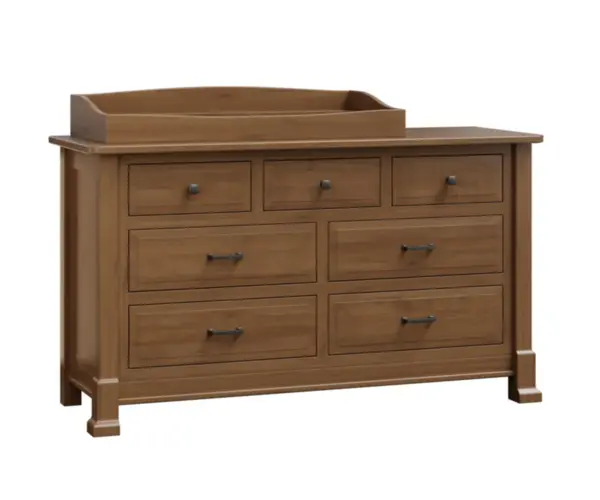
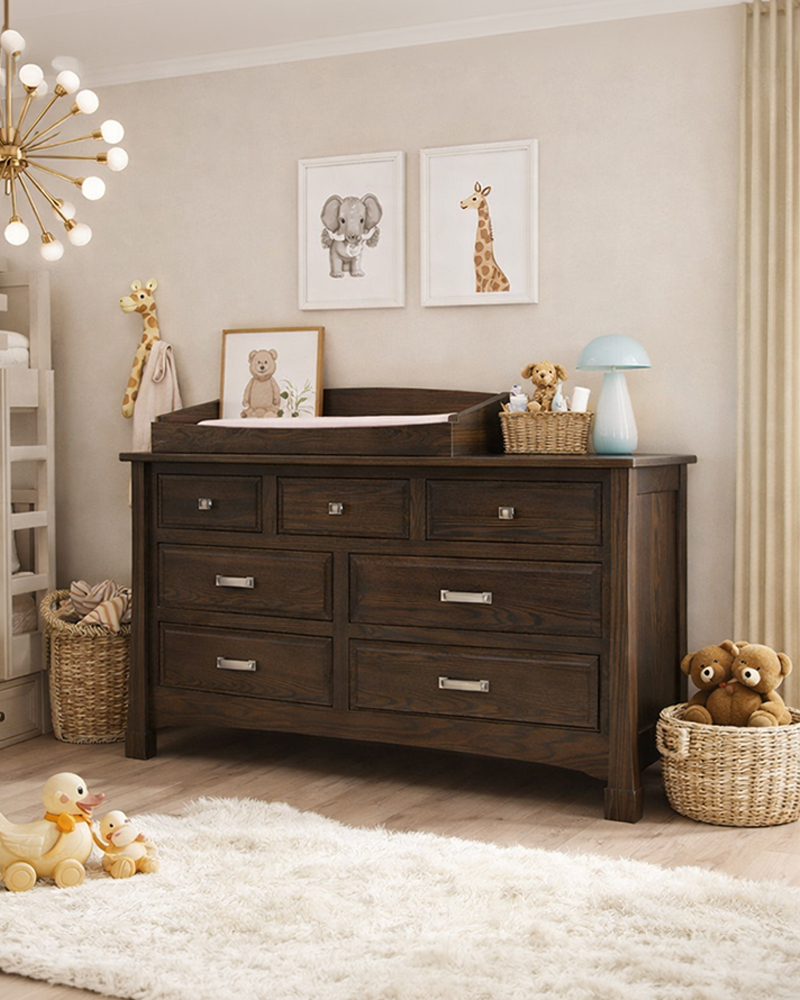
Dressers provide wide drawers for clothing, bedding, and everyday belongings. Their lower profile also creates a surface for a lamp, mirror, changing pad where appropriate, photographs, or decorative items.
A dresser may serve a nursery first and continue into later childhood when the design and size are selected with long-term use in mind. Leave enough clearance for the drawers to open fully without interrupting walkways.
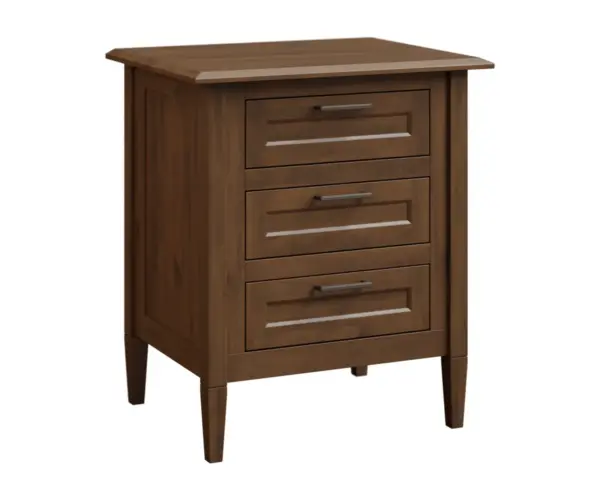
Nightstands keep lamps, books, water, clocks, and bedtime necessities beside the bed. Designs may include drawers, doors, shelves, or a combination of open and concealed storage.
Choose a height that works comfortably with the mattress. A simple nightstand may be sufficient for younger children, while additional drawers can become useful as storage needs increase.
Our Latest Bunk Beds
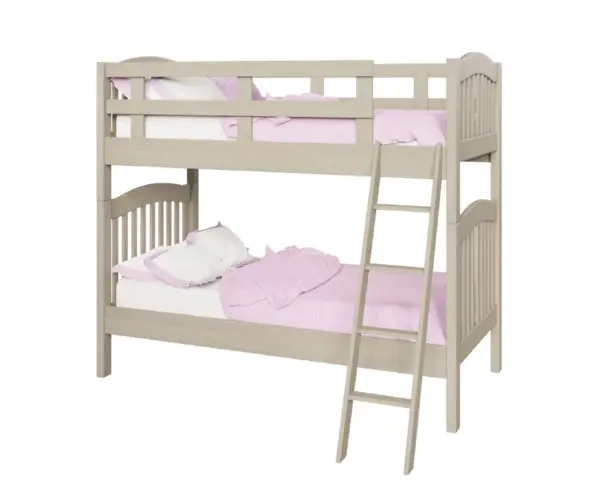
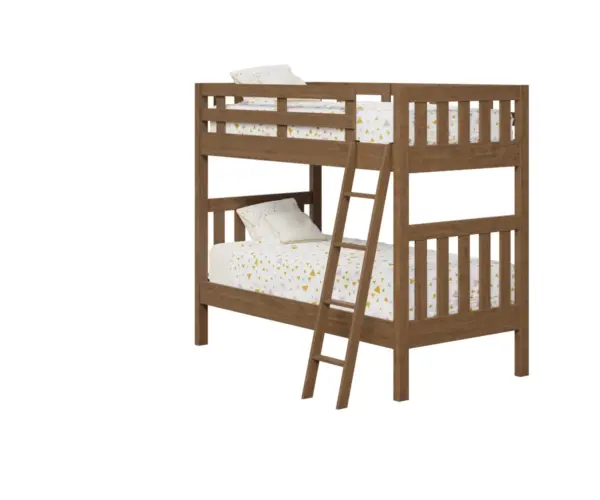
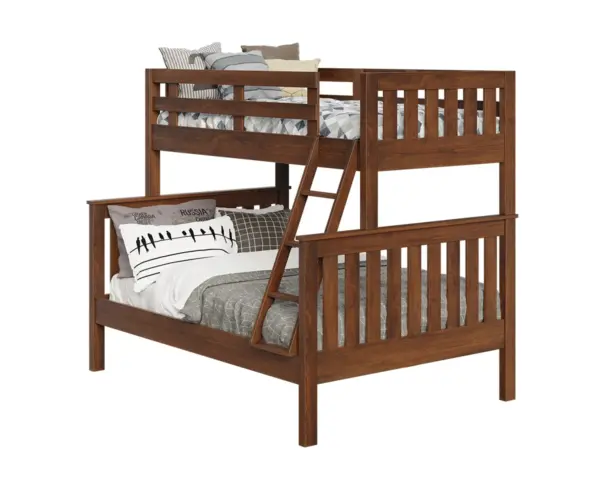
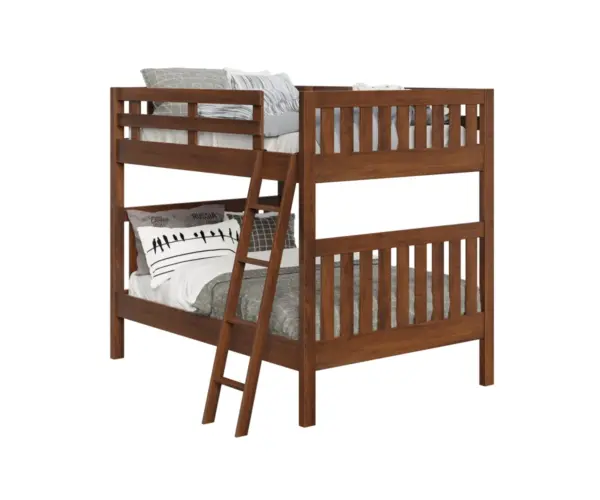
Our Latest Chests & Dressers
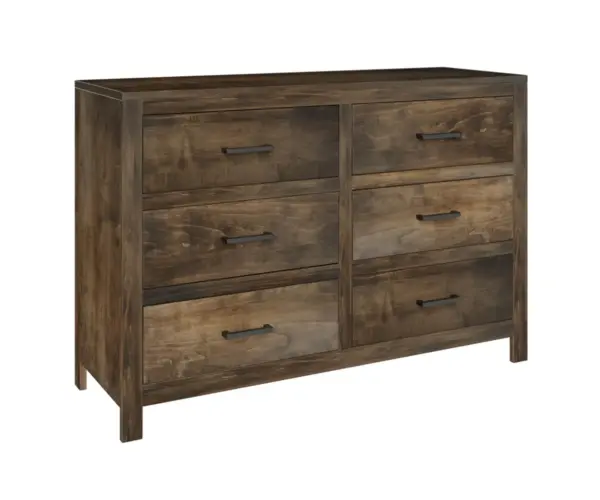
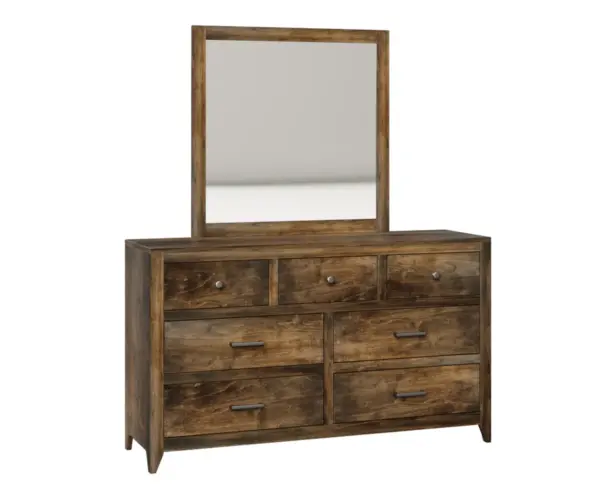
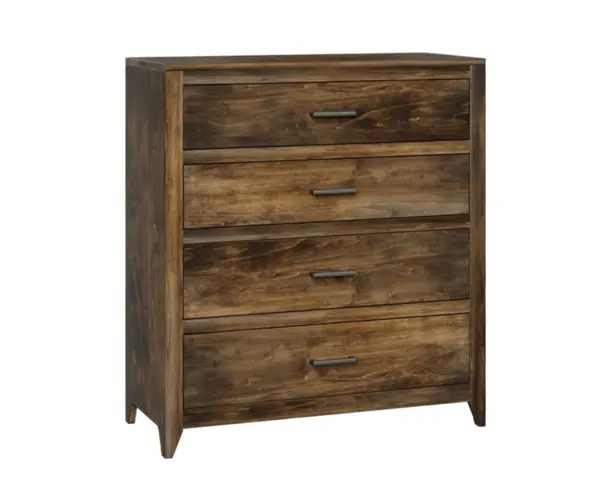
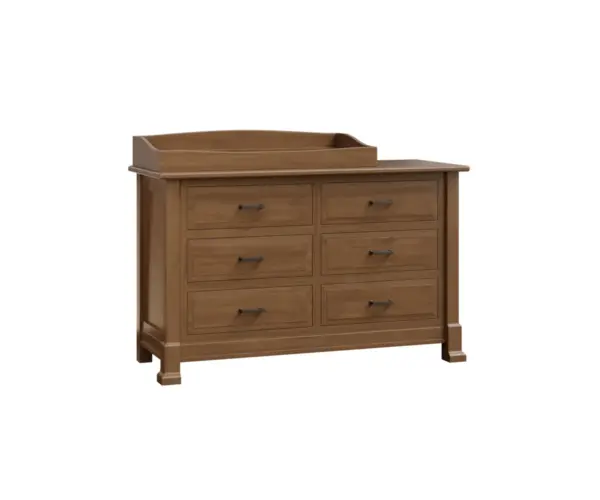
Make Room for Creativity and Everyday Play
A well-planned playroom gives children room to create while making cleanup and organization more manageable. Children’s tables provide a dedicated activity surface, toy boxes keep larger belongings together, wooden toys encourage hands-on play, and complete collections help coordinate furniture throughout the room.
Toy Boxes
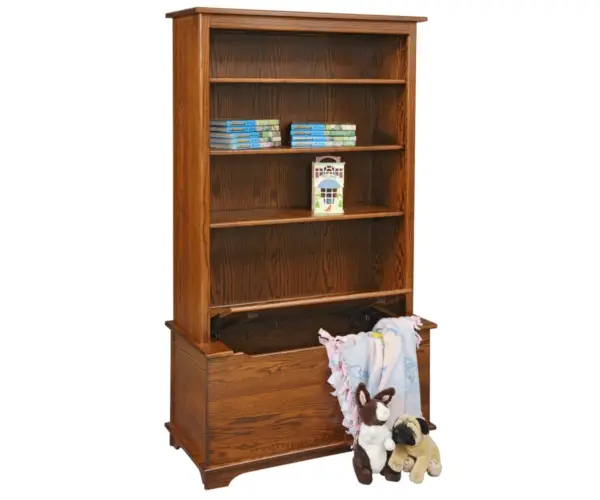
Toy boxes provide accessible storage for blocks, stuffed animals, blankets, games, and larger playroom items. They can help establish a clear place for cleanup while reducing clutter across the room.
Wooden Toys
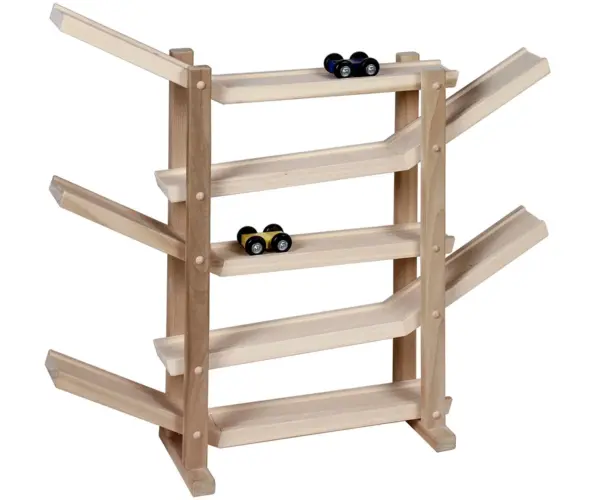
Wooden toys can add tactile, imaginative play to a child’s bedroom or playroom. Available pieces may include tracks, vehicles, activity structures, and other handcrafted designs.
Children’s Tables
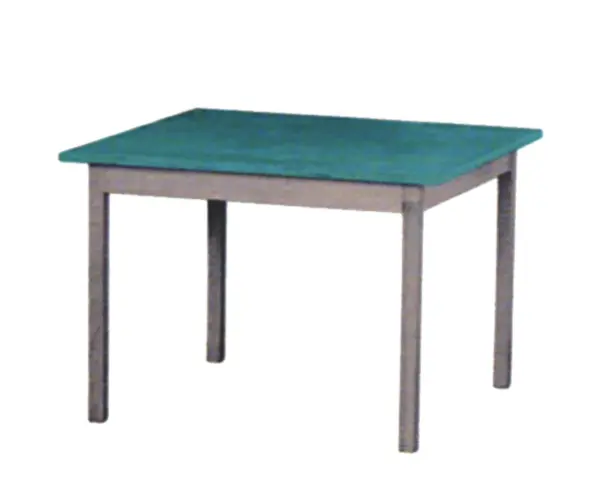
Children’s tables provide a dedicated surface for drawing, crafts, puzzles, snacks, games, and early learning activities. Their smaller scale allows children to sit and work more comfortably than they might at a full-size dining table.
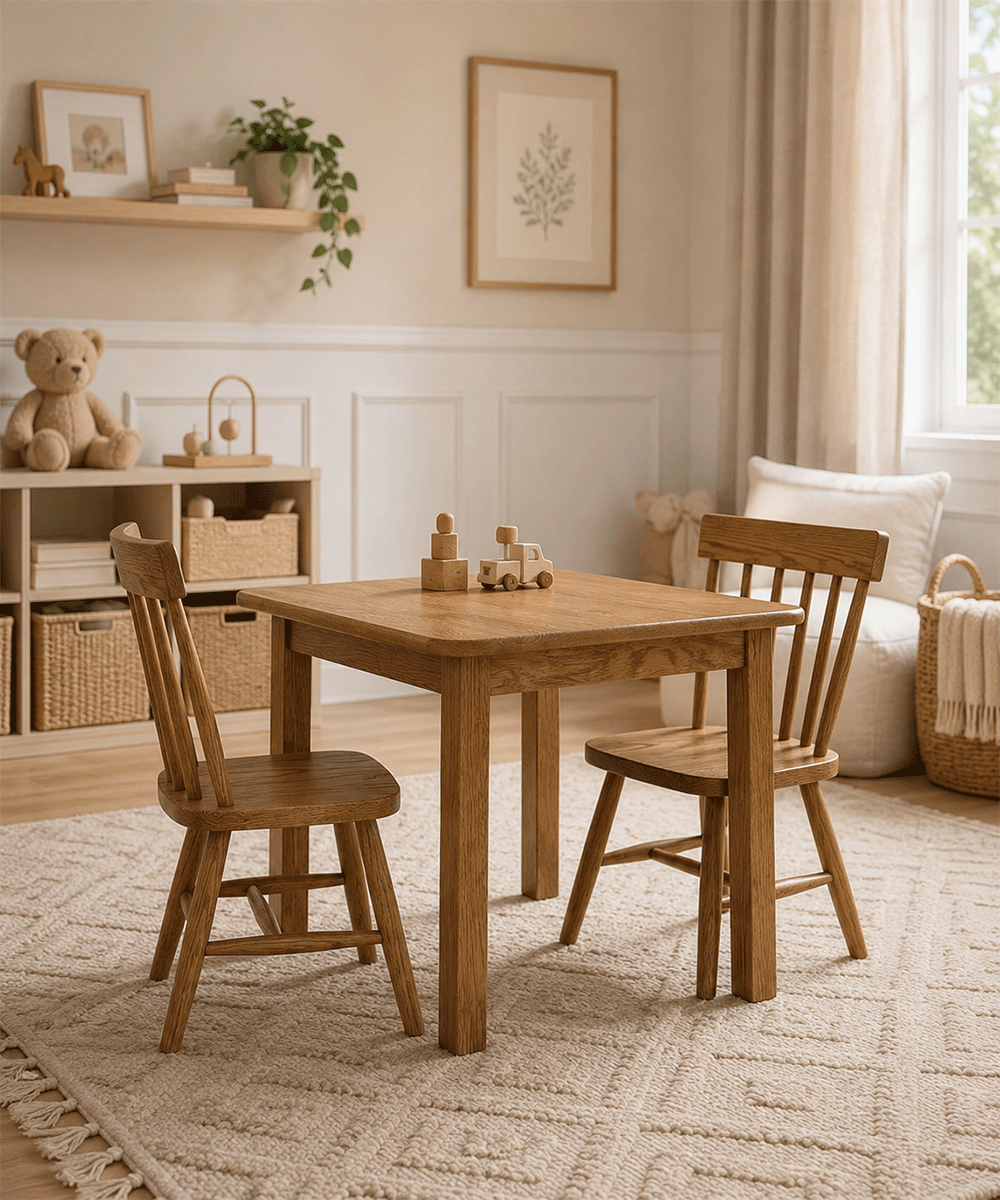
Our Latest Toy Boxes
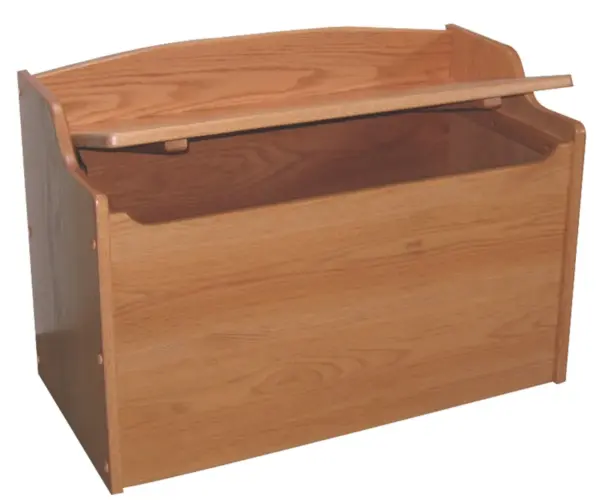
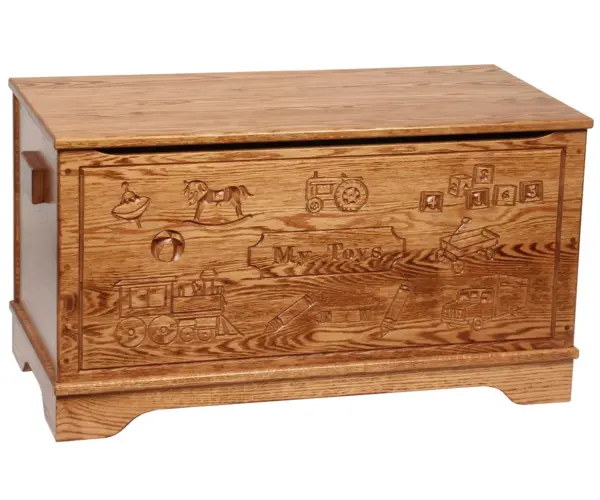
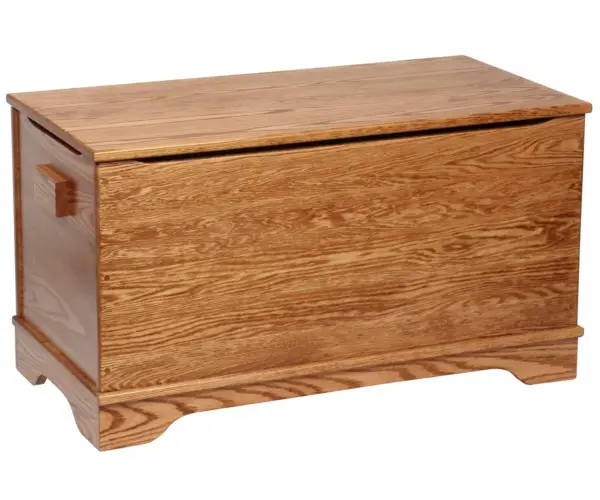
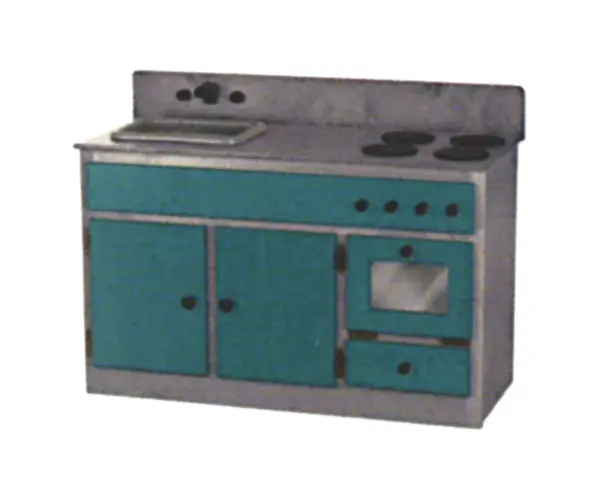
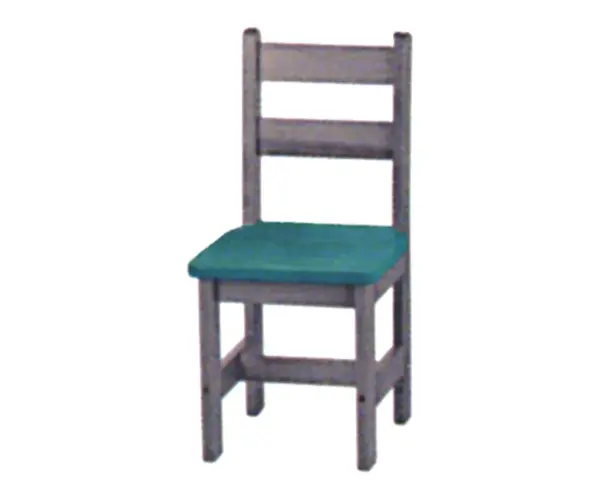
Our Latest Chairs & Tables
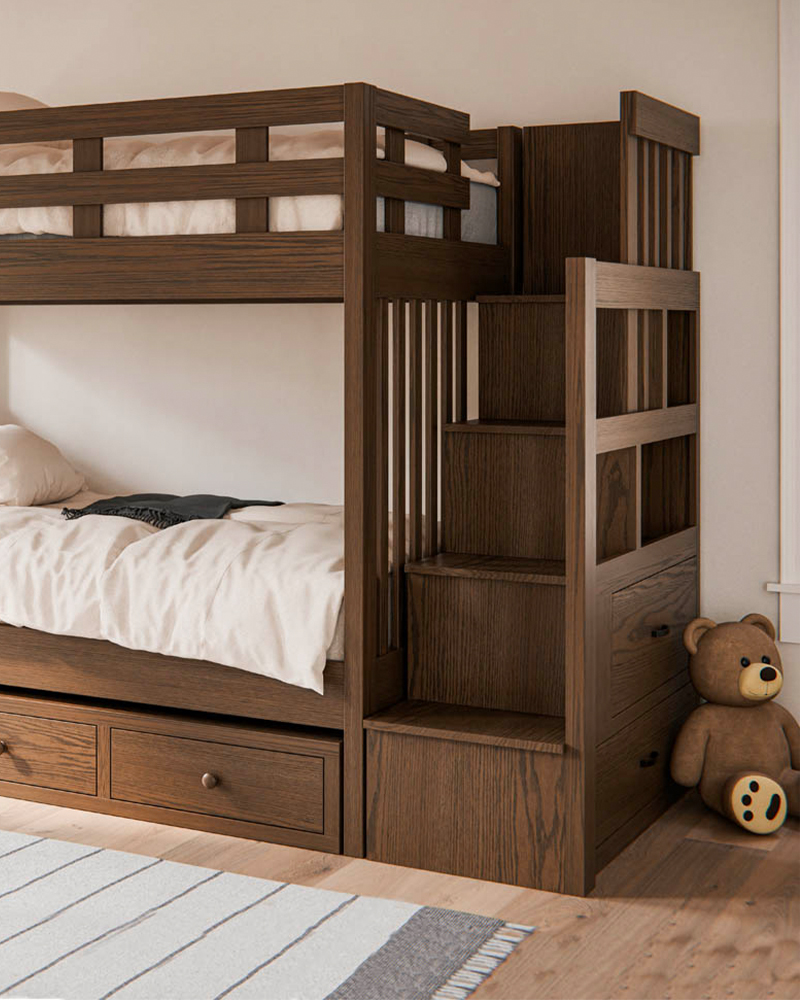
Personalize The Design Details For Your Child’s Room
Customize Children’s Furniture for the Years Ahead
Children’s furniture often needs to meet several needs within one room. A nursery may require a crib and accessible storage, while a shared bedroom may benefit from a bunk bed, tall chest, and compact nightstands. Thoughtful customization helps the furniture fit the room without sacrificing comfort or function.
Begin with a bed, crib, storage piece, or collection you like, then explore the options available for that design. Depending on the builder and furniture, choices may include hardwood species, finish colors, dimensions, hardware, drawer arrangements, bed configurations, and coordinating pieces.
- Choose lasting hardwood materials that bring warmth and natural character into the room.
- Select a versatile finish that can continue working as colors, bedding, and décor change.
- Plan the bed configuration around the child’s current stage and the available floor space.
- Coordinate useful storage pieces for clothing, bedding, books, toys, and everyday necessities.
- Adjust available furniture dimensions to work with windows, closets, doors, and smaller walls.
- Personalize hardware and details to create a traditional, rustic, transitional, or contemporary look.
Children’s Furniture Buying Guide
A functional child’s room usually combines furniture for sleeping, storage, and everyday activities. The right pieces depend on the child’s current stage, whether the room is shared, and how much open floor and wall space is available. Use this chart as a starting point, then review the measurements and manufacturer guidance for each specific piece.
| Furniture Piece | Best For | Main Function | Space Requirement | Growth Potential | Why Choose It |
|---|---|---|---|---|---|
| Crib | Nurseries and infant sleep spaces | Provides a dedicated sleeping area | Small to medium | Limited unless convertible | Establishes the nursery’s primary sleep space |
| Convertible Crib | Families planning ahead | Adapts into additional bed configurations | Small to medium | High | Can continue serving the room beyond infancy |
| Toddler Bed | Transitioning from a crib | Provides a low, smaller sleeping surface | Small | Short to medium term | Creates a familiar transition before a larger bed |
| Child Bed | Growing children | Provides a longer-term sleeping arrangement | Medium | High | Can remain useful through several stages |
| Bunk Bed | Shared bedrooms and compact rooms | Provides two sleeping surfaces vertically | Medium with adequate height | High | Preserves more open floor space |
| Dresser | Clothing and nursery storage | Provides wide drawers and a usable top | Medium wall width | High | Works in nurseries and later childhood bedrooms |
| Chest | Rooms with limited wall width | Provides vertical drawer storage | Small to medium | High | Adds substantial storage within a narrow footprint |
| Nightstand | Bedside necessities | Keeps lighting, books, and personal items nearby | Small | High | Adds convenient storage without occupying much room |
| Children’s Table | Crafts, games, and learning | Provides an appropriately scaled activity surface | Small to medium | Medium | Creates a dedicated place for play and creative work |
Visit Our Arthur Showroom
Visit Amish Country Heirlooms in Arthur, Illinois
Visit Amish Country Heirlooms at 228 South Vine Street in Arthur, Illinois, to experience the furniture’s scale, materials, storage, and craftsmanship in person. Compare beds, cribs, dressers, chairs, tables, finishes, and coordinating collections while discussing how each piece could work within your child’s room.
The showroom is open Monday through Friday from 9:00 a.m. to 5:00 p.m. and Saturday from 9:00 a.m. to 4:30 p.m. The store is closed on Sunday. Call (217) 543-2661 with questions or to begin planning your visit.
Children’s Furniture FAQ’s
Measure the room’s length, width, and ceiling height, along with the usable wall space between doors, windows, closets, and vents. Record doorway, hallway, and stairway dimensions to confirm the furniture can be delivered. Account for opened drawers, bed ladders or stairs, rocking movement, and comfortable walking space.
A traditional crib is intended primarily for the nursery stage. A convertible crib is designed to change into one or more additional bed configurations, depending on the model. Review the specific conversion options and determine whether additional rails, hardware, or components are required.
Bunk beds are helpful in shared bedrooms, guest rooms, or spaces where preserving open floor area is important. Before selecting one, review the room’s ceiling height and the manufacturer’s guidance regarding mattress thickness, guardrails, ladder use, age, height, and weight.
A chest generally uses less horizontal wall space and provides storage vertically. A dresser requires more width but offers broader drawers and a larger top surface. The better choice depends on available wall space, the items being stored, and whether you need a changing or display surface.
Available customization may include hardwood species, finish color, dimensions, hardware, drawer configurations, bed styles, and coordinating furniture. Exact choices vary according to the piece and builder. The Amish Country Heirlooms team can help you review the options for the furniture you prefer.
The furniture does not need to be identical. Repeating a few elements—such as wood tone, finish, hardware, or overall design style—can help the room feel connected. You can also begin with a coordinated collection and add complementary pieces as the child’s needs change.