
Dining Room Furniture
Create a Dining Space That Feels Like Home
Solid Wood Dining Room Furniture
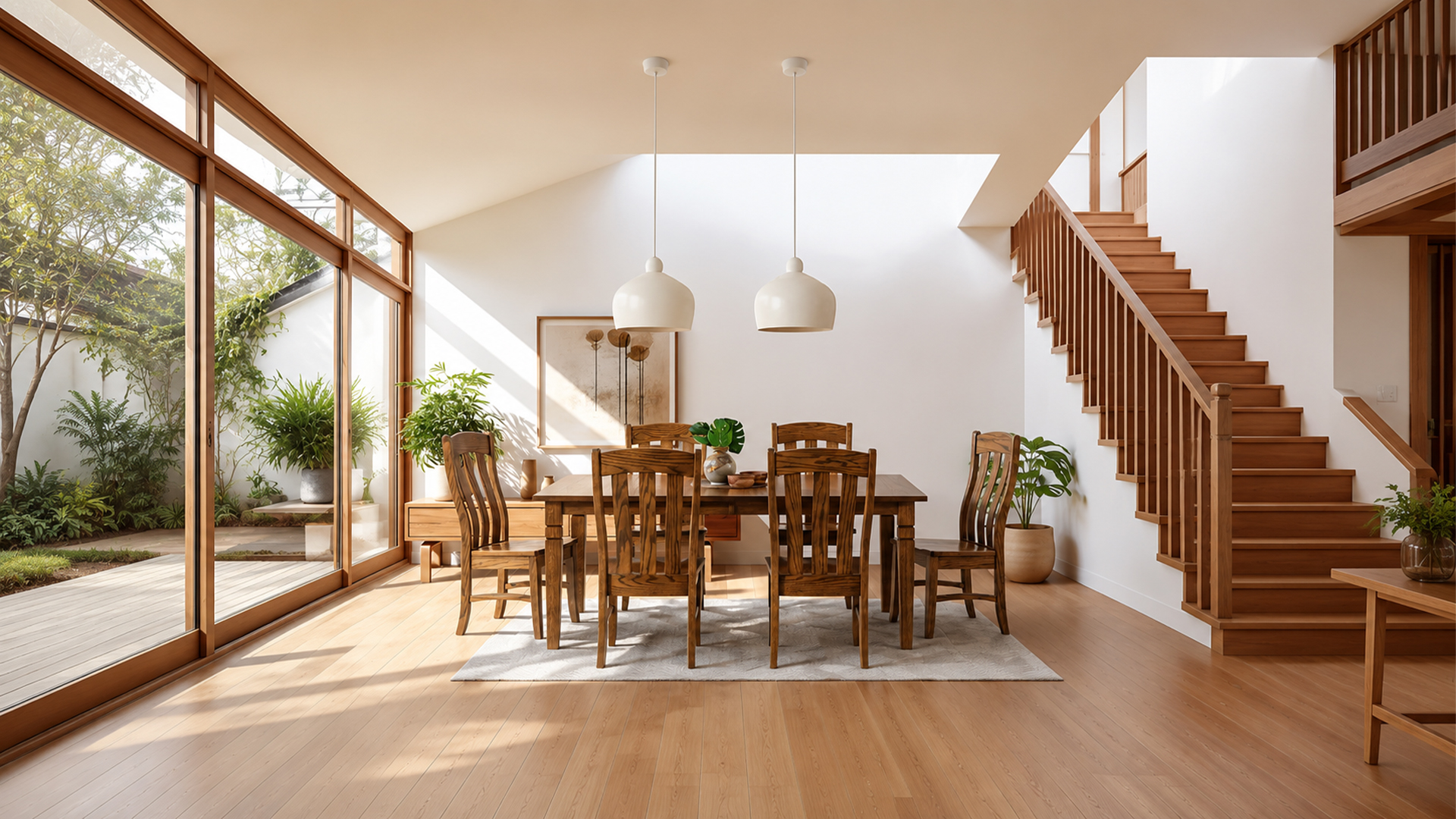
The dining room is where everyday routines become family traditions. Create a space that feels welcoming, comfortable, and distinctly your own with solid wood dining furniture from Amish Country Heirlooms. Our selection includes handcrafted tables, chairs, benches, bar seating, hutches, islands, serving cabinets, and coordinating dining collections made by skilled American craftsmen.
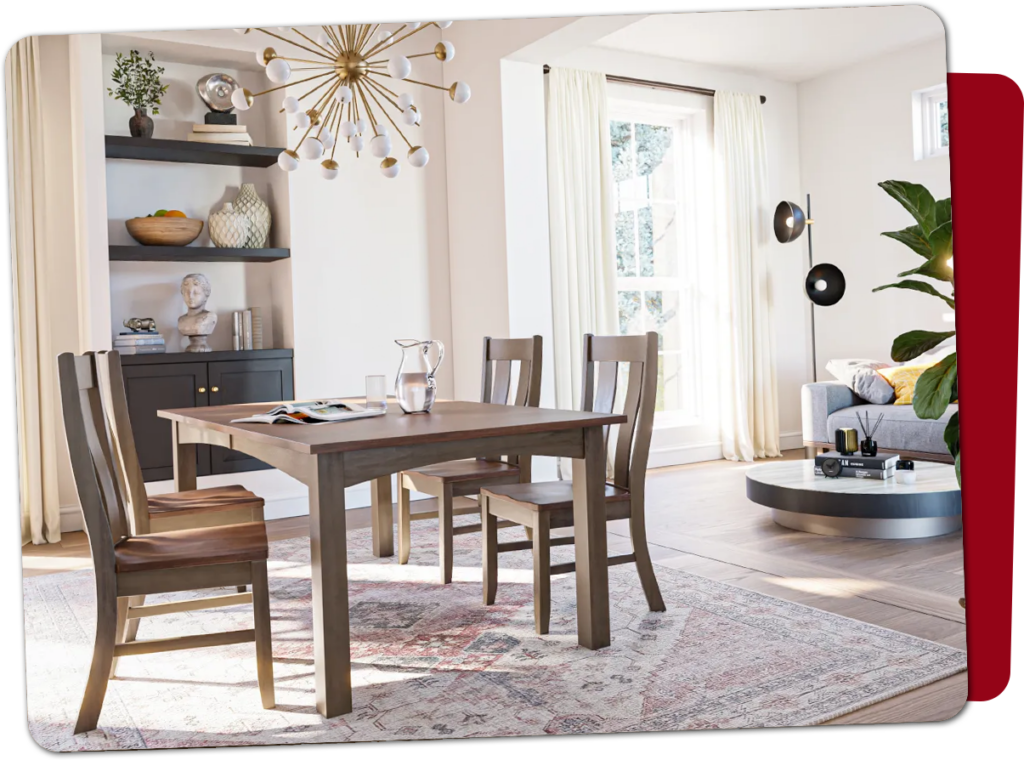
Our Featured Dining Room Furniture Collections
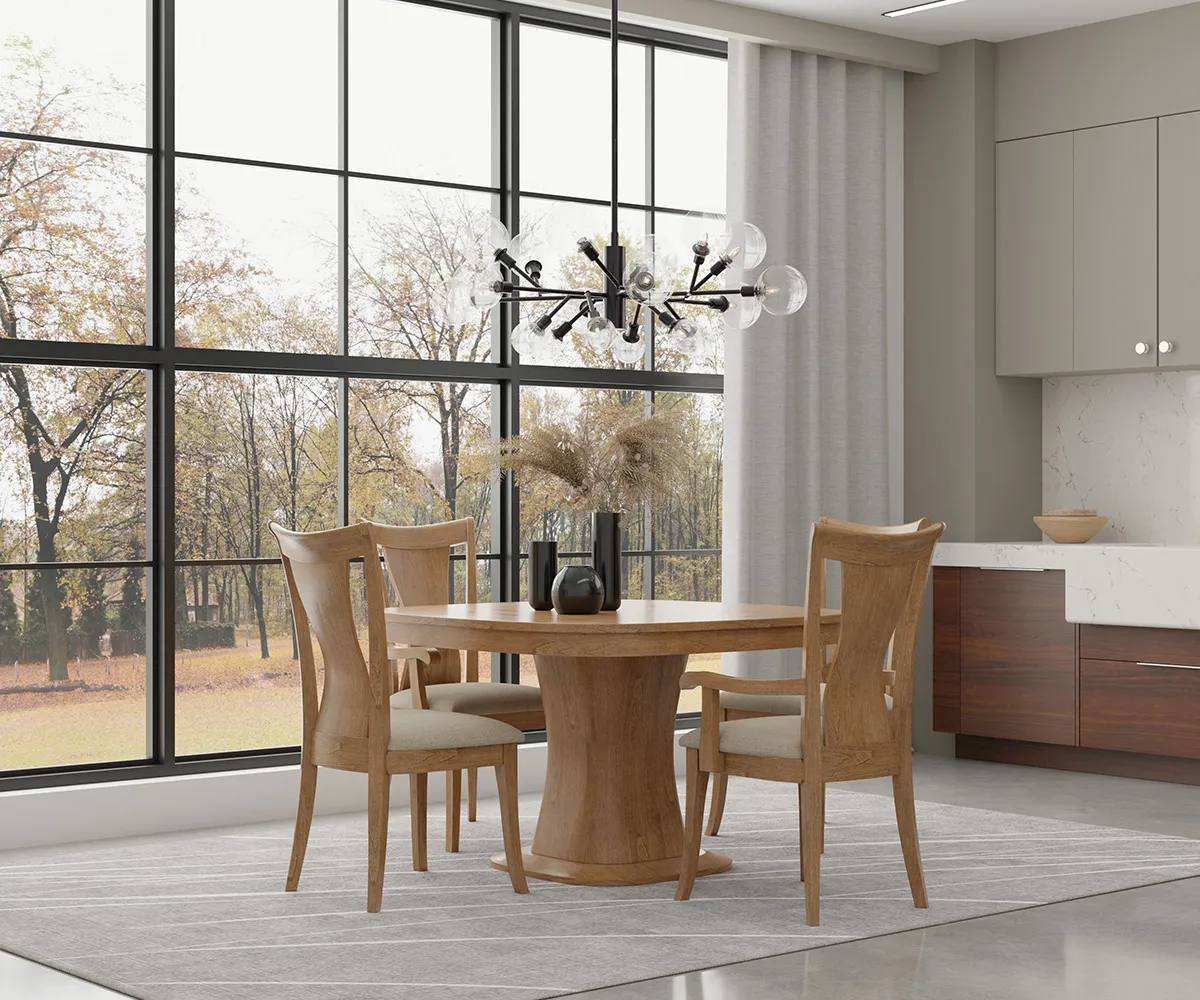
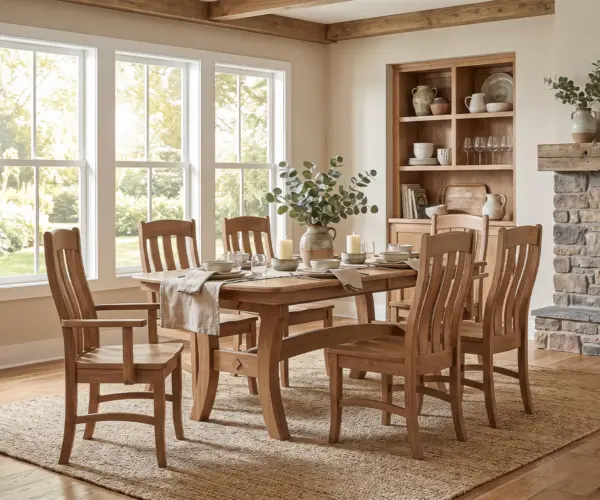
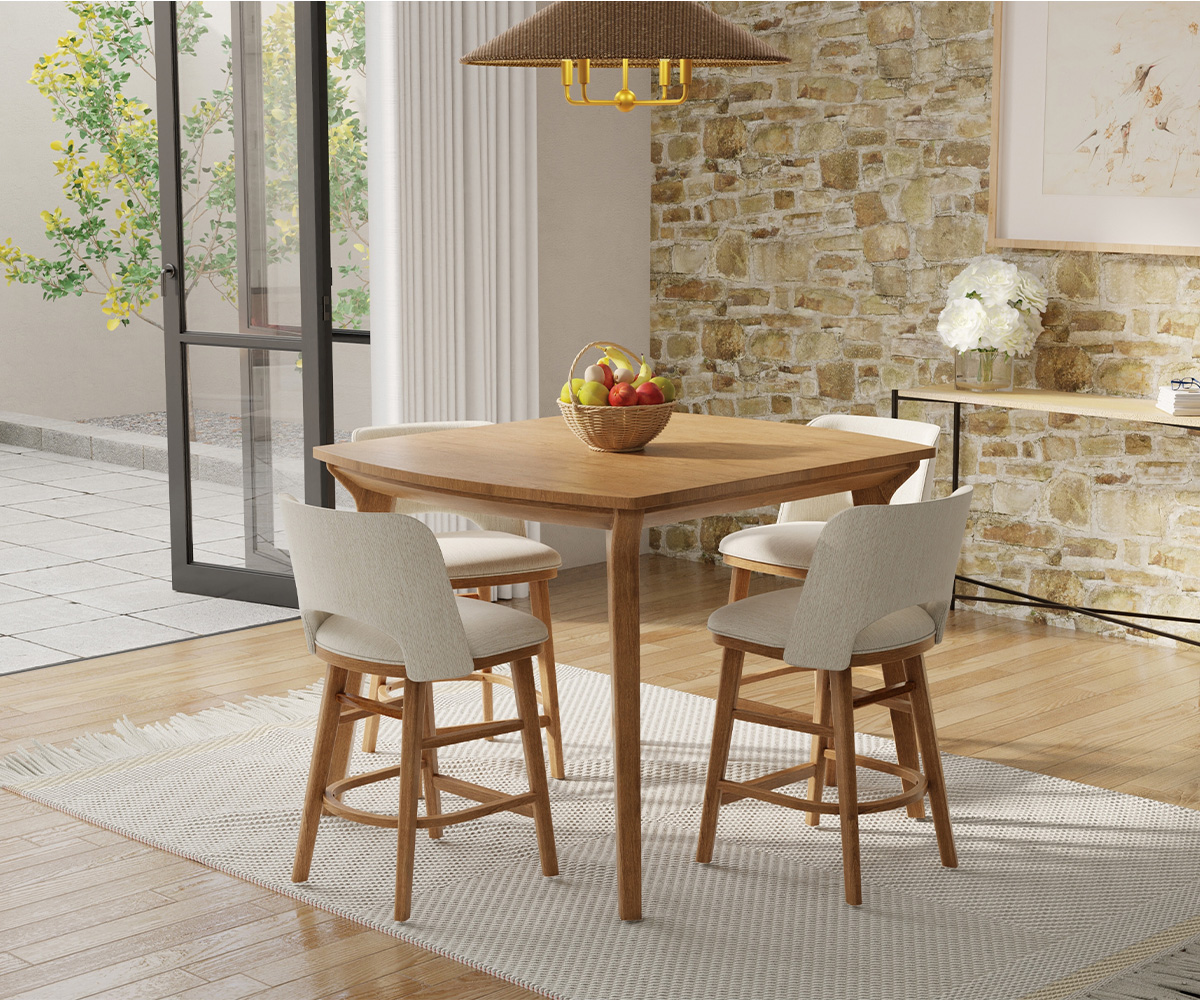
Callaway Dining Collection
Shown With:
Wood: Brown Maple
Stain: Golden Pecan
Edge: Mission
This Collection Includes:
- Callaway Table
- Wellsburg Chair
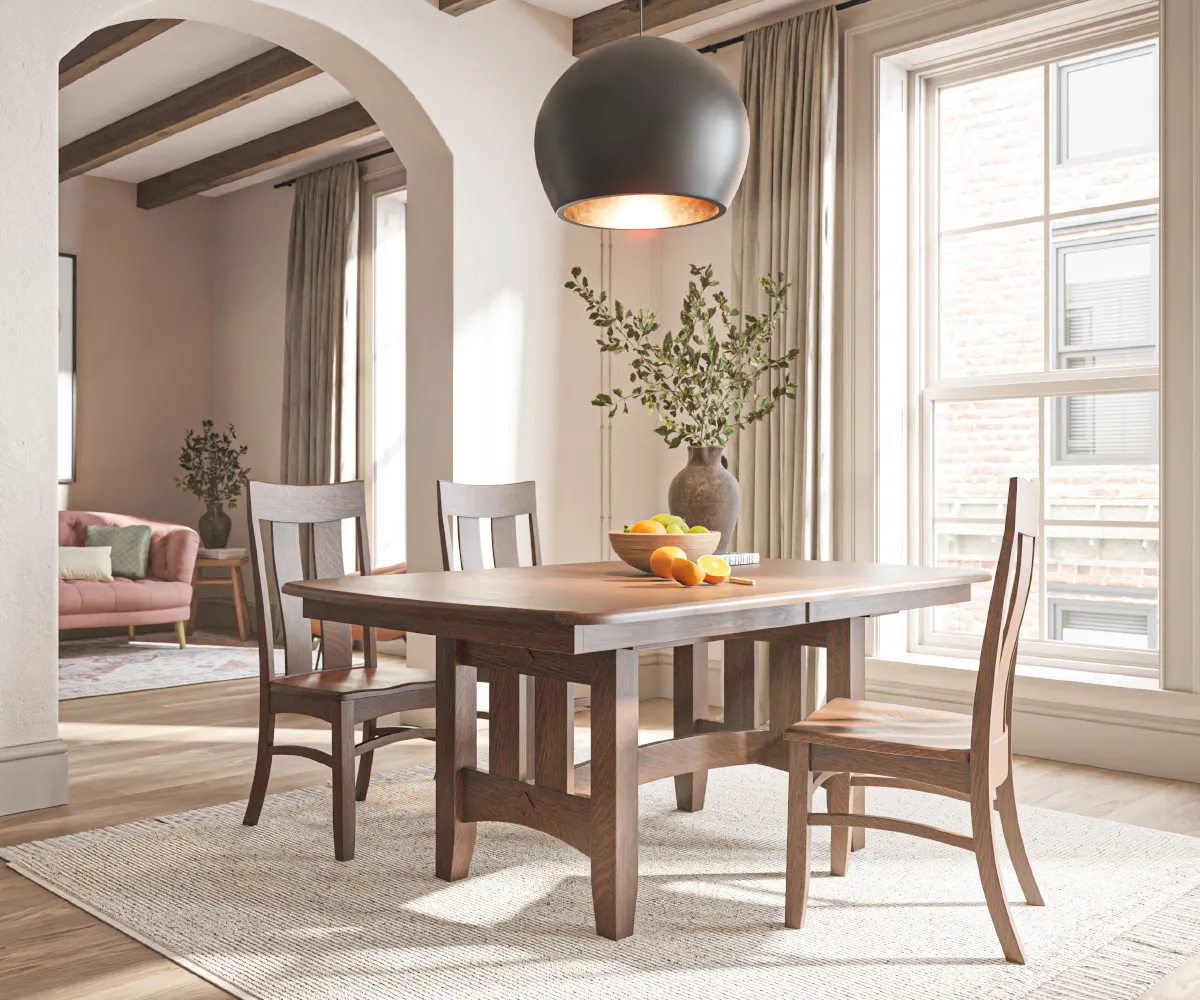
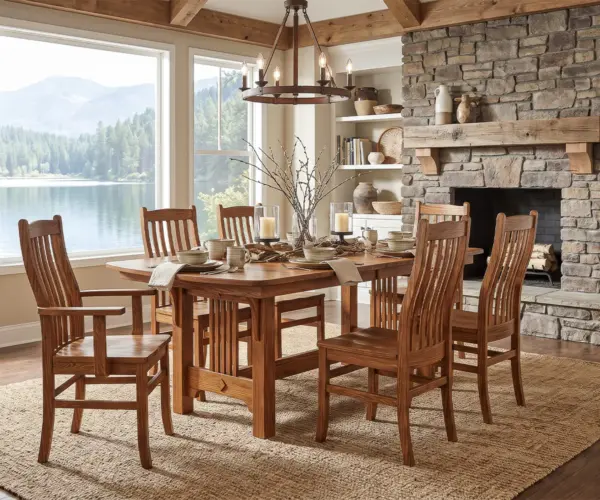
Galena Trestle Table Collection
Shown With:
Wood: Quarter Sawn White Oak
Stain: PCL Asbury Brown
This Collection Includes:
- Galena Trestle Table
- Galena Bench
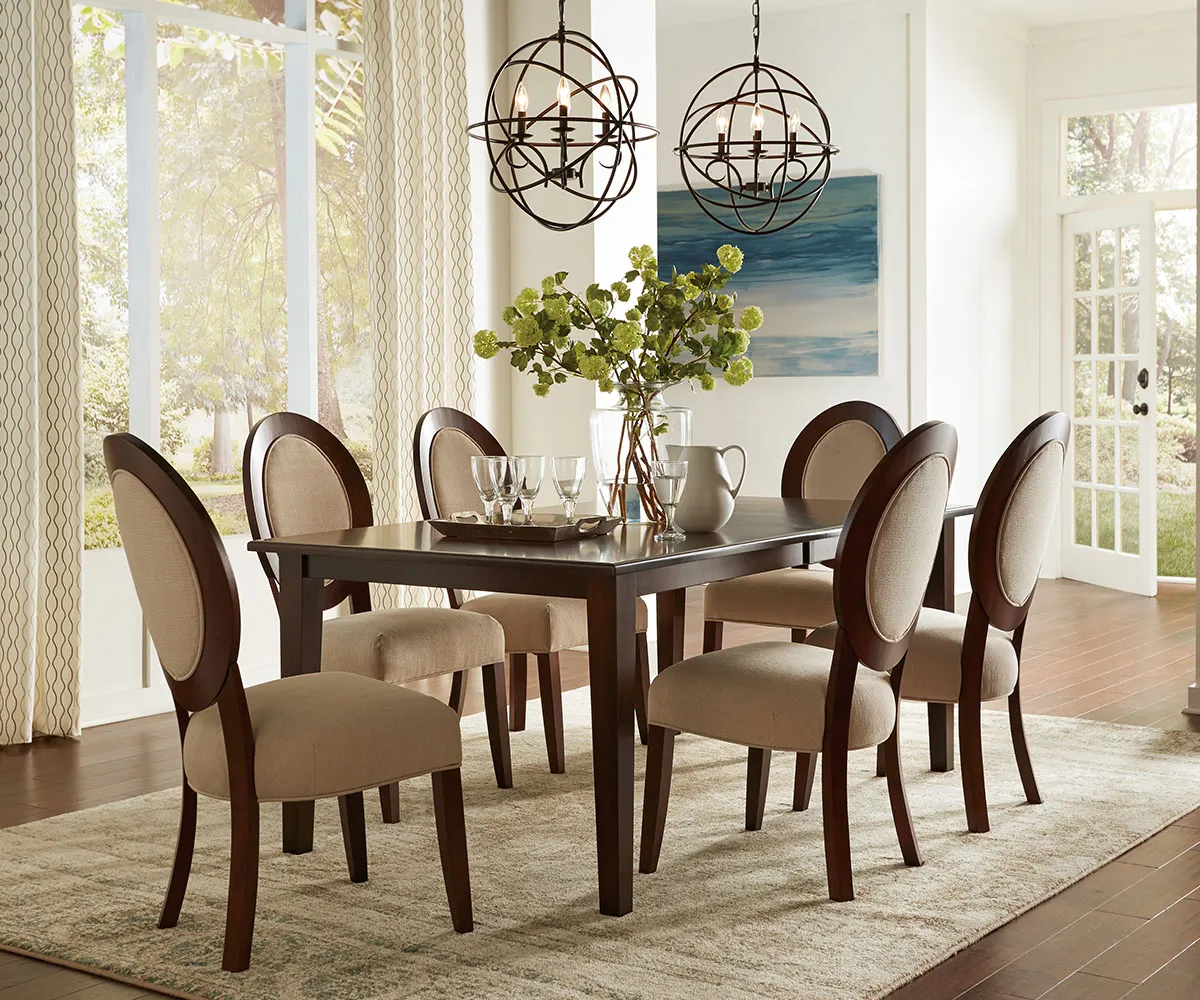
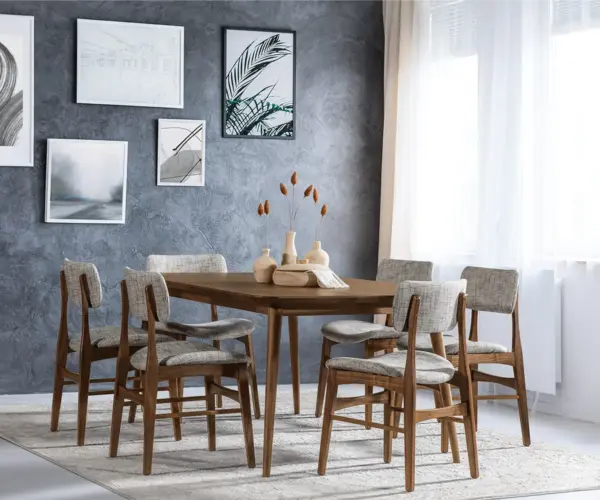
Roanoke Dining Collection
Shown With:
Wood: Brown Maple
Stain: Rich Tobacco
Fabric: C2-10 Stew
This Collection Includes:
- Roanoke Table
- Roanoke Chair
Browse Dining Room Furniture Categories
Trusted for Quality and Personal Attention
Choosing dining furniture involves more than finding a style you like. The table needs to fit the room, the chairs need to feel comfortable, and every piece should be dependable enough for years of meals, celebrations, and everyday use. Customer reviews offer helpful insight into the quality of the furniture and the service provided throughout that decision-making process.
At Amish Country Heirlooms, customers receive personal guidance while comparing furniture styles, materials, finishes, sizes, and available customization options. From the first showroom visit to the arrival of the finished furniture, the goal is to make creating a lasting dining space feel comfortable and straightforward.


Compare Solid Wood Bed Styles
Which Dining Table Style Fits Your Home?
Your dining table determines how the room is arranged, how many people can gather comfortably, and how the space feels during both everyday meals and special occasions. Leg tables offer familiar versatility; pedestal tables create more open seating around the base; trestle and double-pedestal tables support generous surfaces; and pub tables bring a casual, elevated height to the room. Consider the size of your space, your typical number of guests, and how often you may need to extend the table.
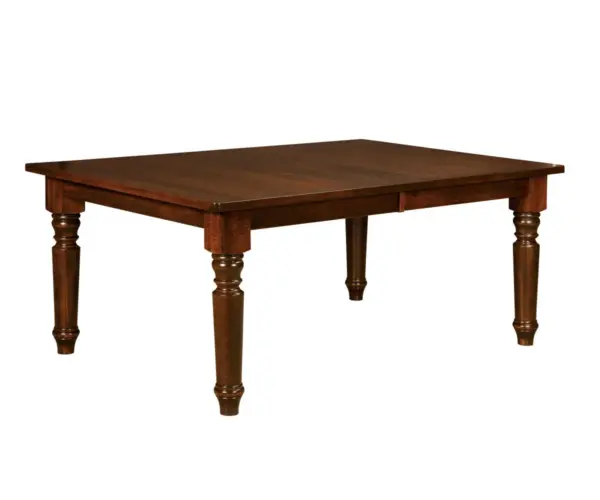
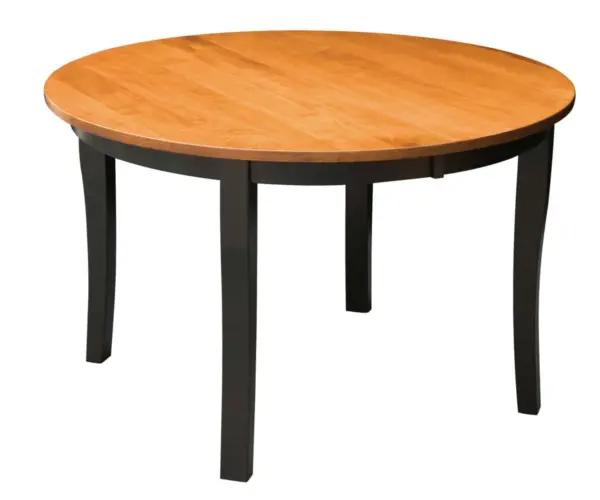
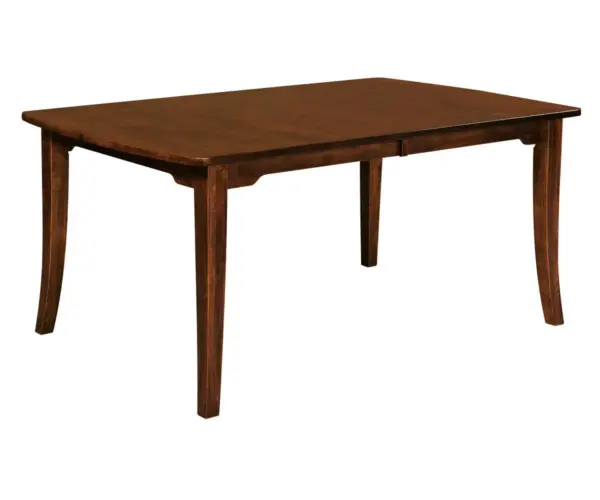
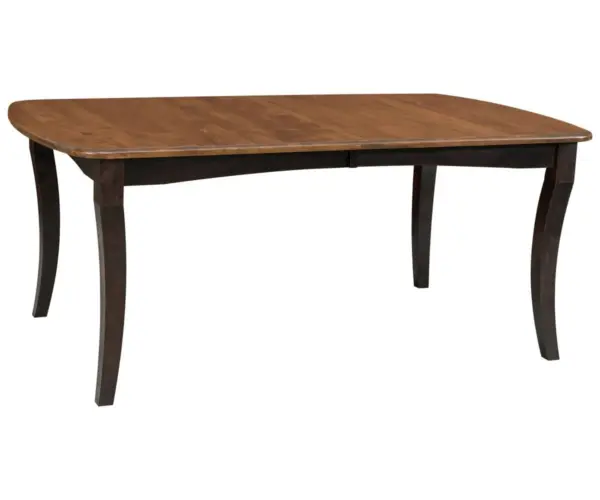
Leg tables are a classic and versatile option for kitchens, breakfast areas, and formal dining rooms. Their familiar four-leg construction works with a wide variety of styles, from traditional turned legs to clean, contemporary designs.
Because the legs are positioned near the corners, it is important to consider where chairs will sit when the table is extended. Leg tables are an excellent choice when you want a straightforward design, a broad selection of sizes, and an appearance that can easily coordinate with different chair styles.
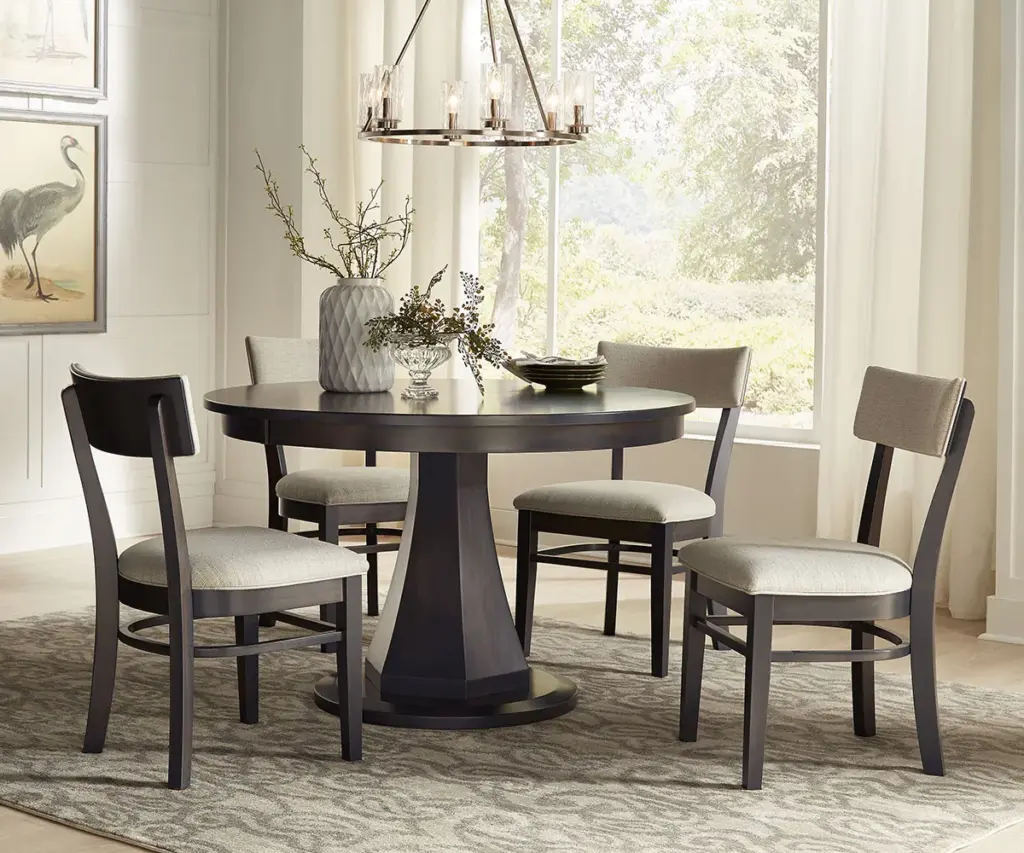
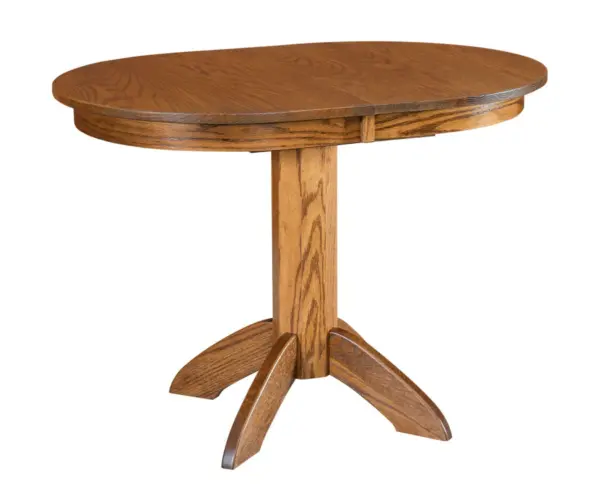
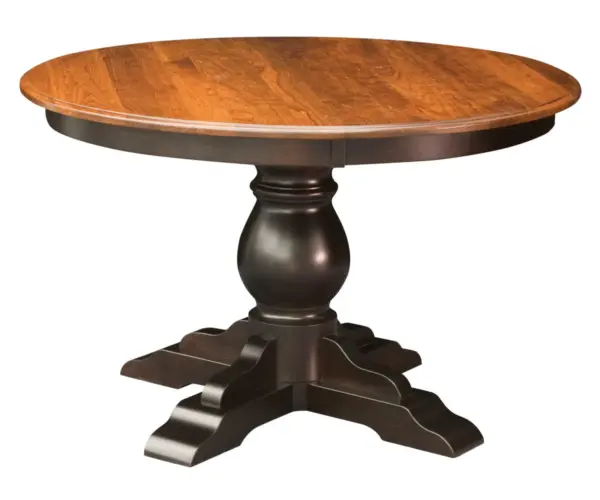
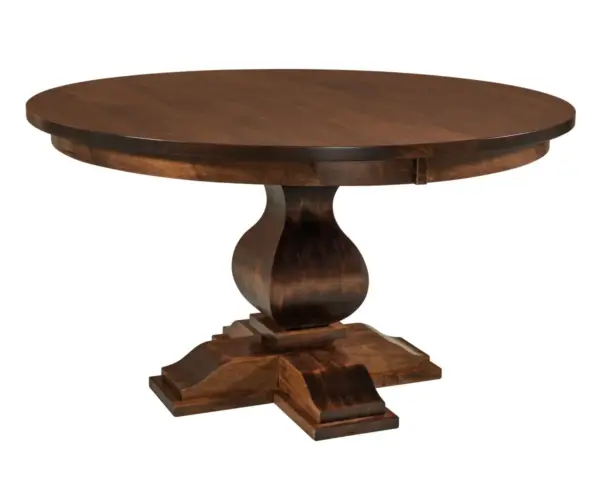
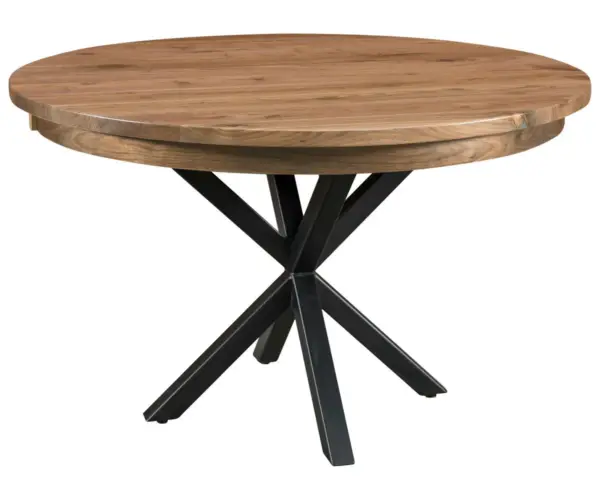
Single-pedestal tables support the tabletop from a central base rather than four corner legs. This creates more flexibility when arranging chairs and can make it easier to seat guests without table legs interfering with knee and foot space.
These tables are commonly round or square and work especially well in breakfast nooks, smaller dining spaces, and conversation-focused layouts. A round pedestal table also allows everyone seated around it to face one another naturally.
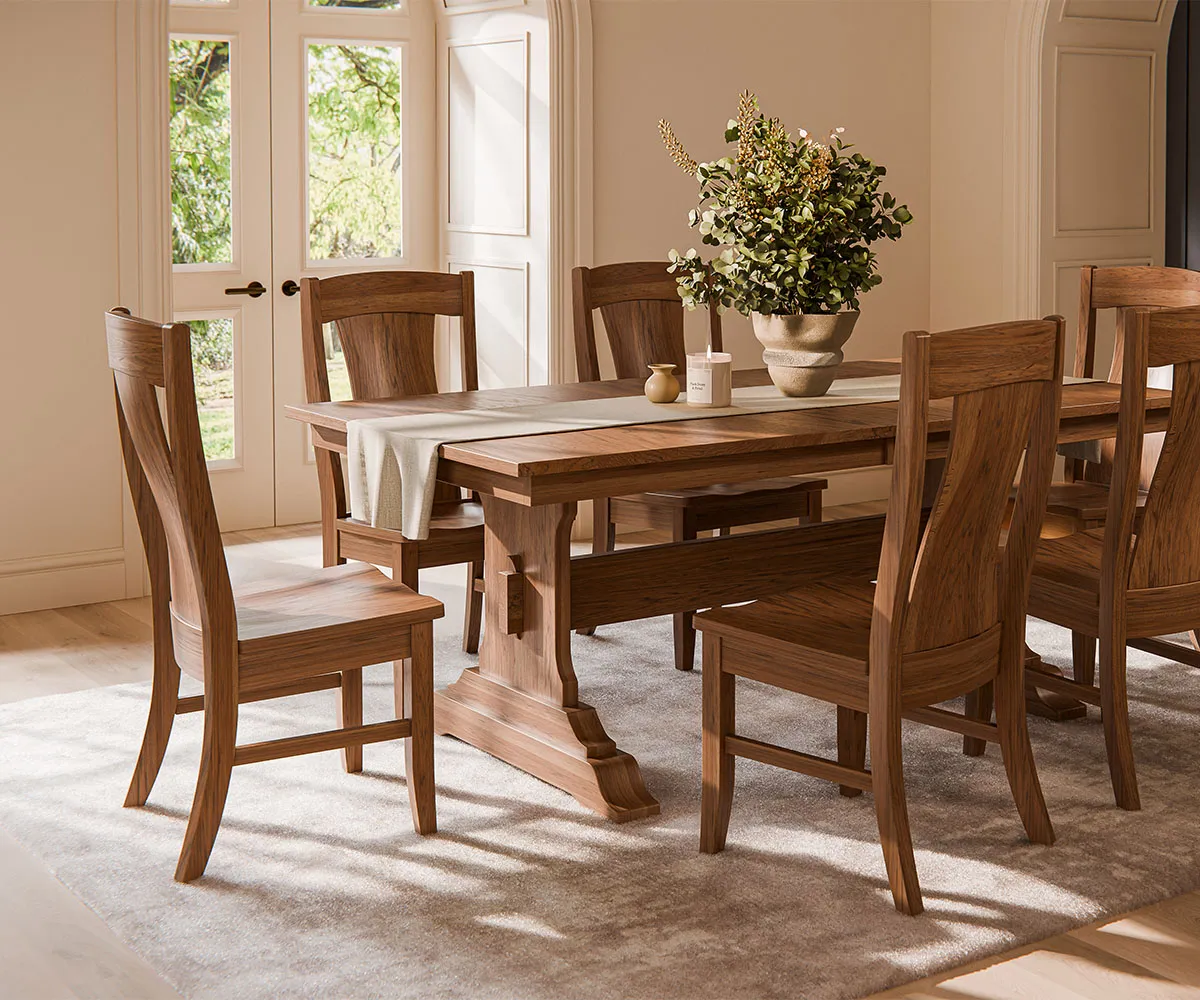
Double-pedestal and trestle tables are well suited to larger dining rooms and households that regularly host family or guests. Their bases support longer tabletops while keeping much of the area around the table’s perimeter open for seating.
A trestle base generally uses two supporting structures connected by a horizontal stretcher, while a double-pedestal table uses two substantial central bases. Both can create a strong visual centerpiece and often work well with extension leaves.
Pub tables provide an elevated dining surface commonly paired with bar-height chairs or stools. They create a relaxed, casual setting that works well in kitchens, entertainment spaces, finished basements, and open-concept gathering areas.
The added height can help visually separate a dining area from nearby living or kitchen spaces. Before choosing a pub table, confirm that the seating height will be comfortable for everyone who regularly uses it, particularly children or guests with limited mobility.
Our Latest Leg Tables
Our Latest Single Pedestal Tables
A More Connected Way to Furnish Your Dining Room
Start With a Dining Room Collection You Love
A dining collection gives you a convenient starting point for creating a room that feels connected from one piece to the next. Browse coordinated tables, chairs, benches, hutches, and serving furniture, then select only the pieces that make sense for your space and routine.
You can create a fully matching room or use a favorite collection as the foundation for a more personalized arrangement. Available hardwoods, finish colors, chair styles, table sizes, and other options allow the same collection to take on a traditional, rustic, transitional, or contemporary appearance.
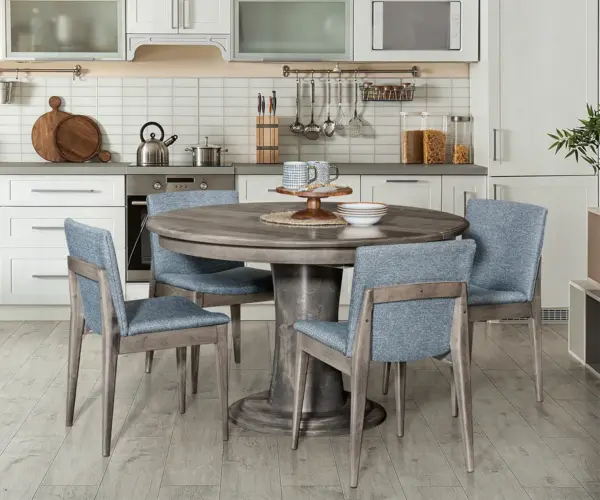
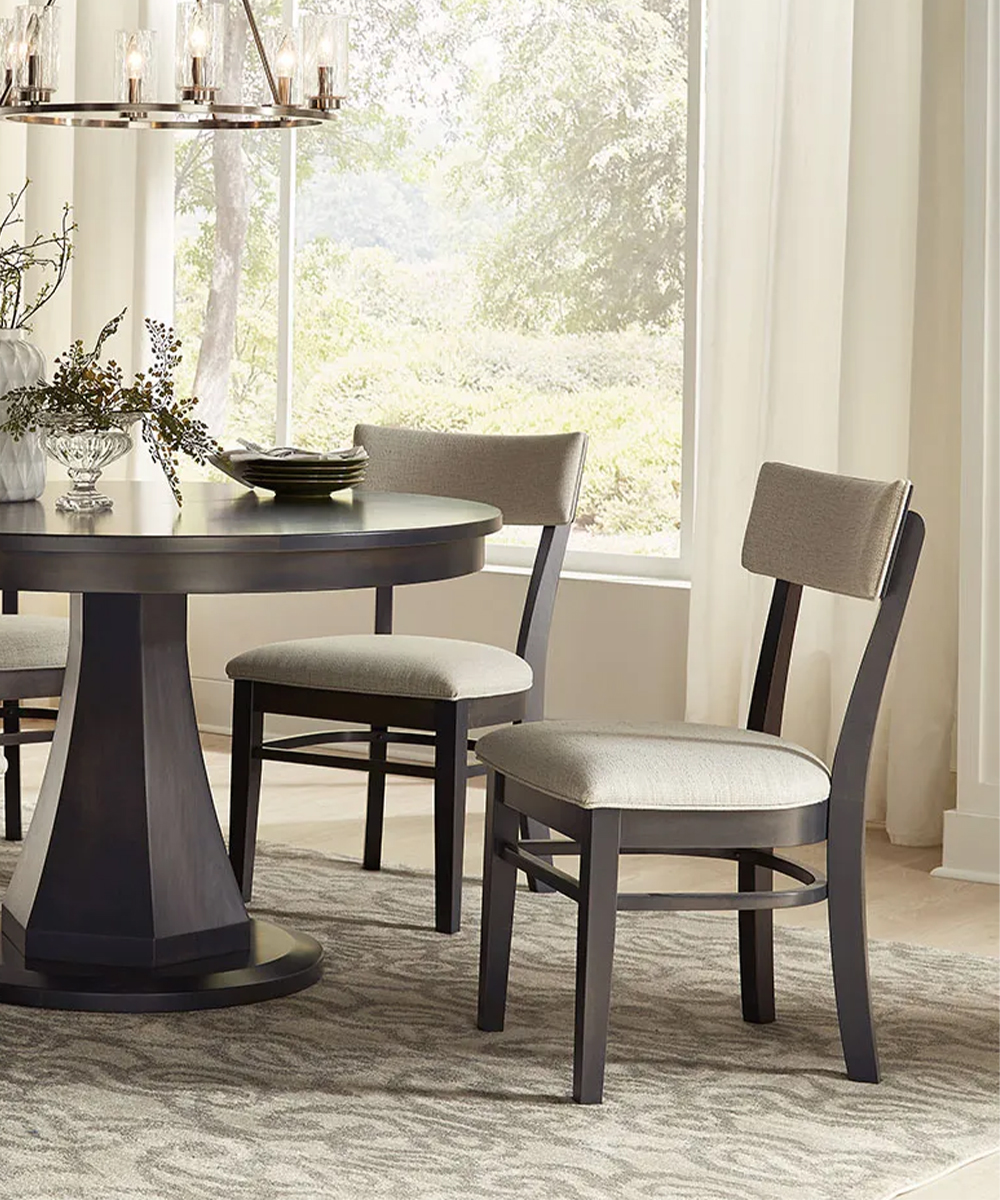
Build a comfortable dining room
Find the Right Seating for Family Dinners
Dining seating should feel comfortable through quick weekday meals, long conversations, and special gatherings. Traditional dining chairs provide individual support, bar chairs add back support at elevated tables or counters, stools create a more compact casual arrangement, and benches allow flexible seating for families and larger groups.
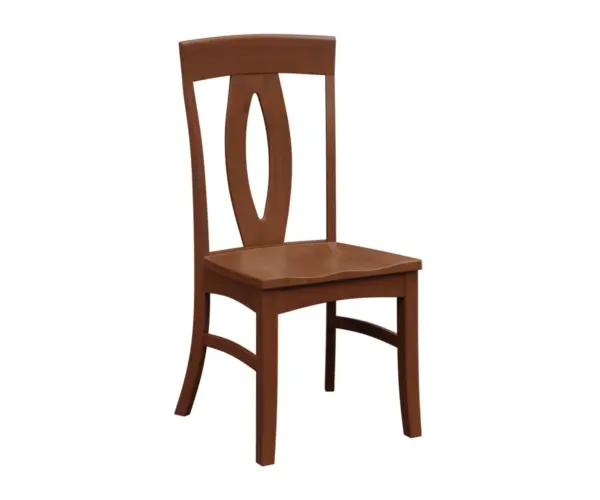
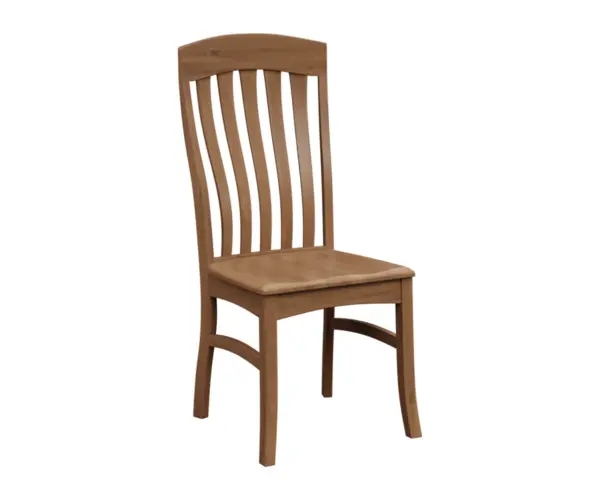
Dining Chairs
Dining chairs provide individual seating with a defined back and consistent personal space. They are available in a wide variety of back designs, leg styles, wood combinations, and seat options, making them easy to coordinate with nearly any dining table.
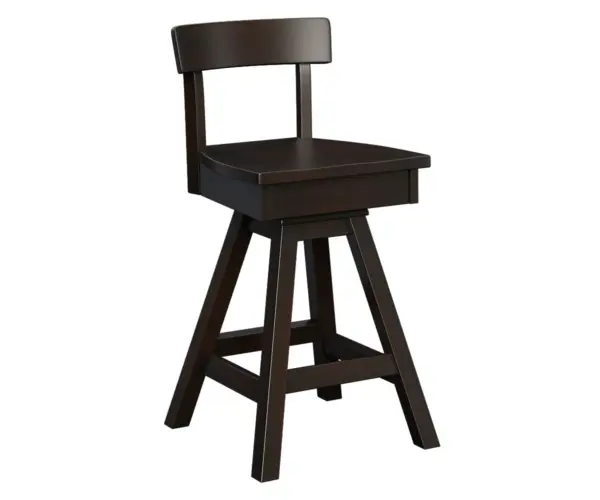
Bar Chairs
Bar chairs combine an elevated seat height with a supportive back. They are a practical choice for pub tables, kitchen counters, and gathering spaces where guests may sit for an extended period.
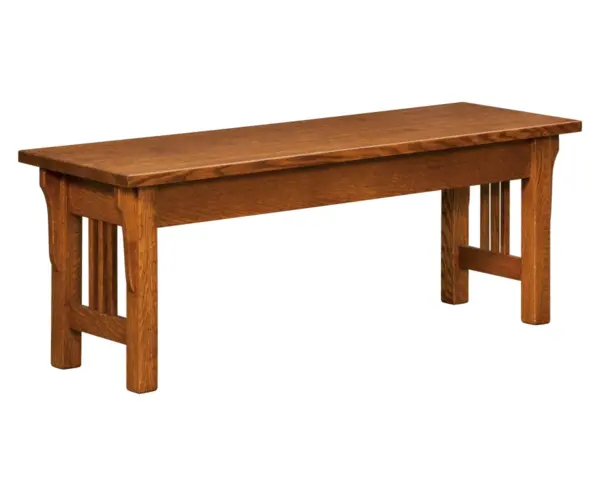
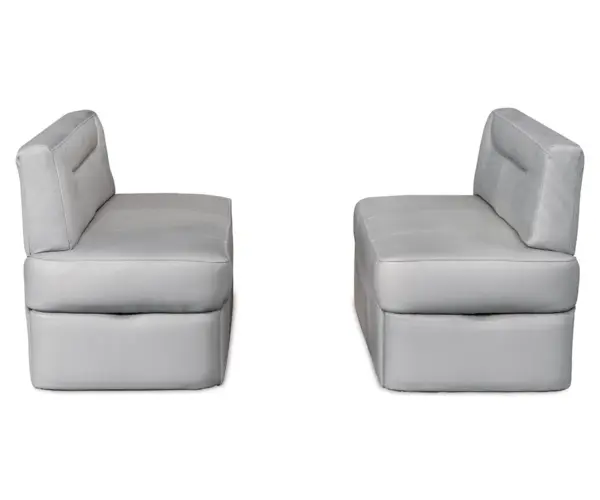
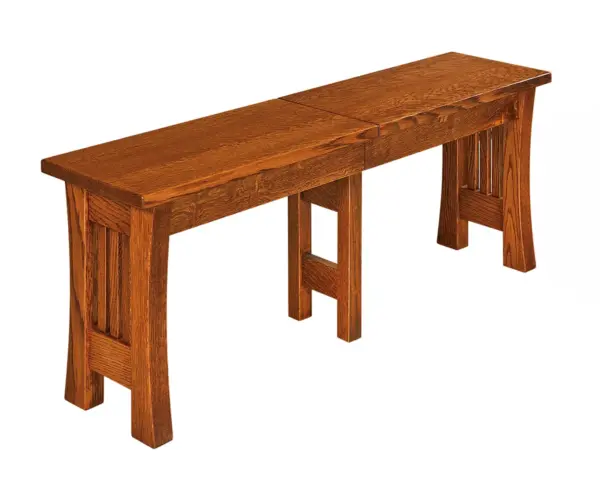
Dining Benches
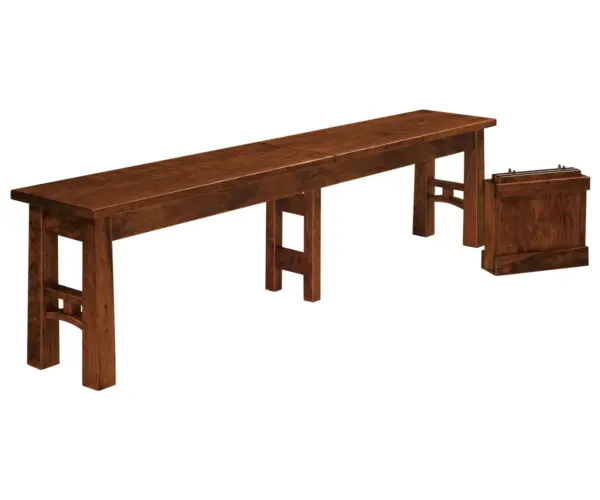
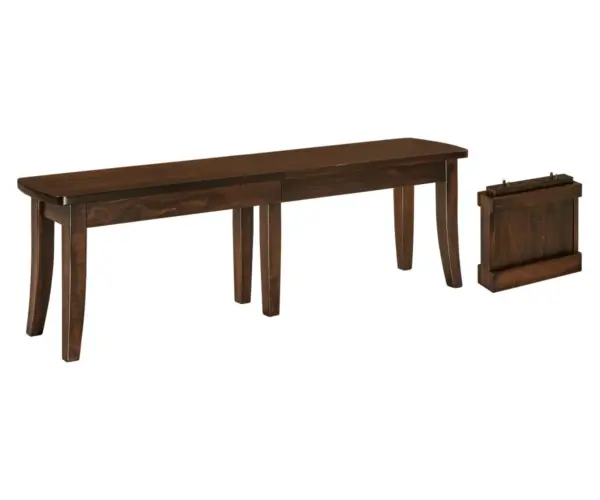
Dining benches provide flexible seating that can accommodate several people without dividing the available space into individual seats. They work especially well for families, children, and casual dining arrangements.
Our Latest Dining Chairs
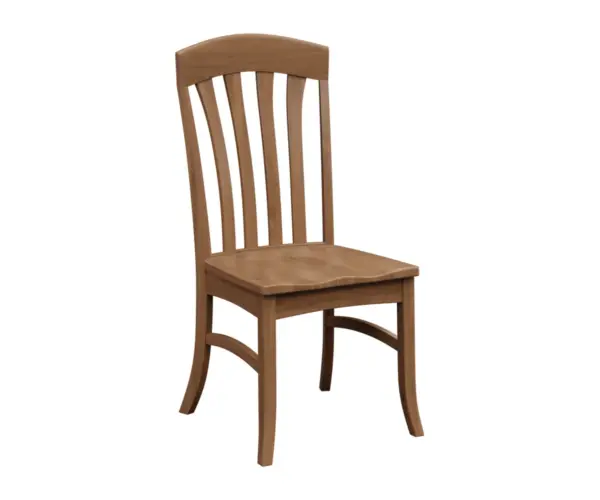
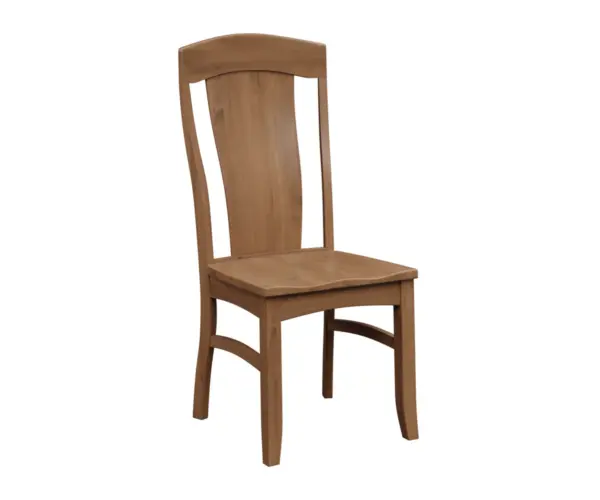
Our Latest Benches
isplay, Protect, and Organize What Matters
Add Storage Without Sacrificing Character
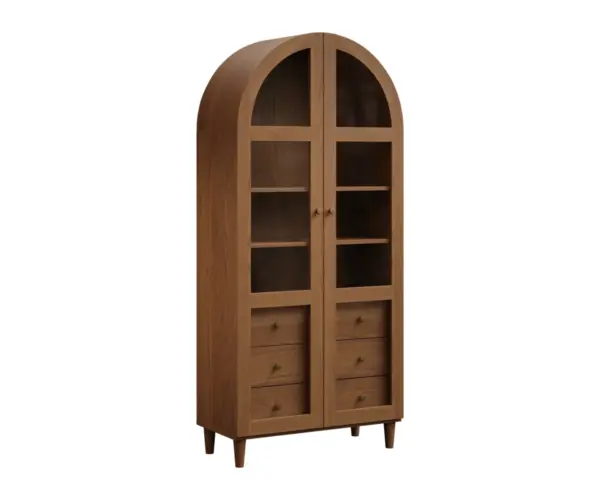
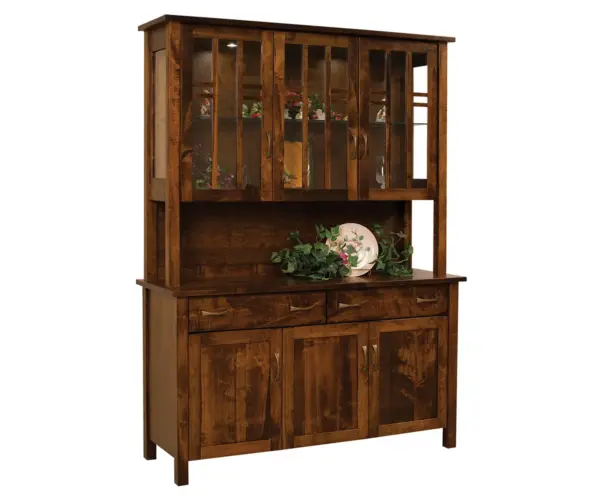
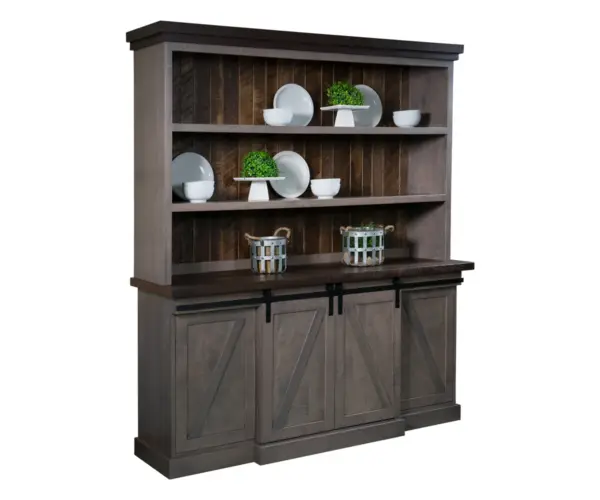
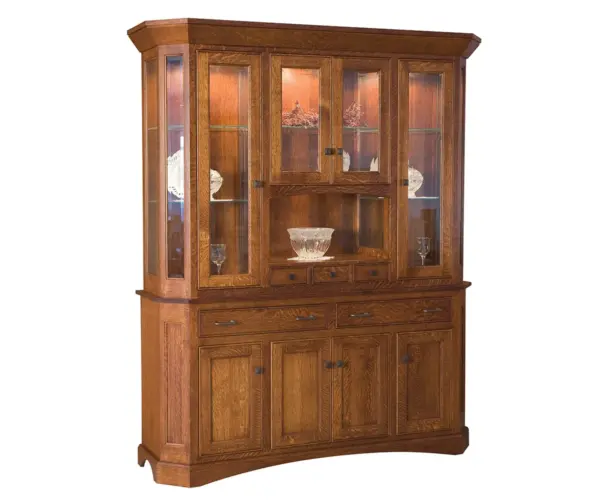
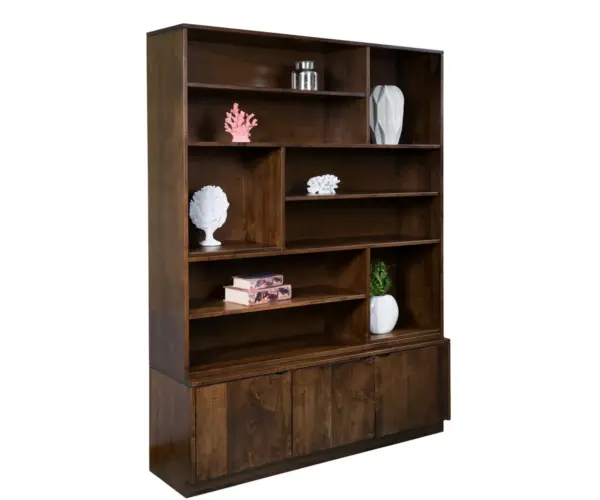
Dining storage can be both practical and decorative. Wall hutches create a traditional display area, corner hutches make use of an overlooked part of the room, curios place the emphasis on visible collections, and pie safes or jelly cupboards provide enclosed storage with distinctive character. The best choice depends on what you need to store, how much you want to display, and the wall space available in your dining area.
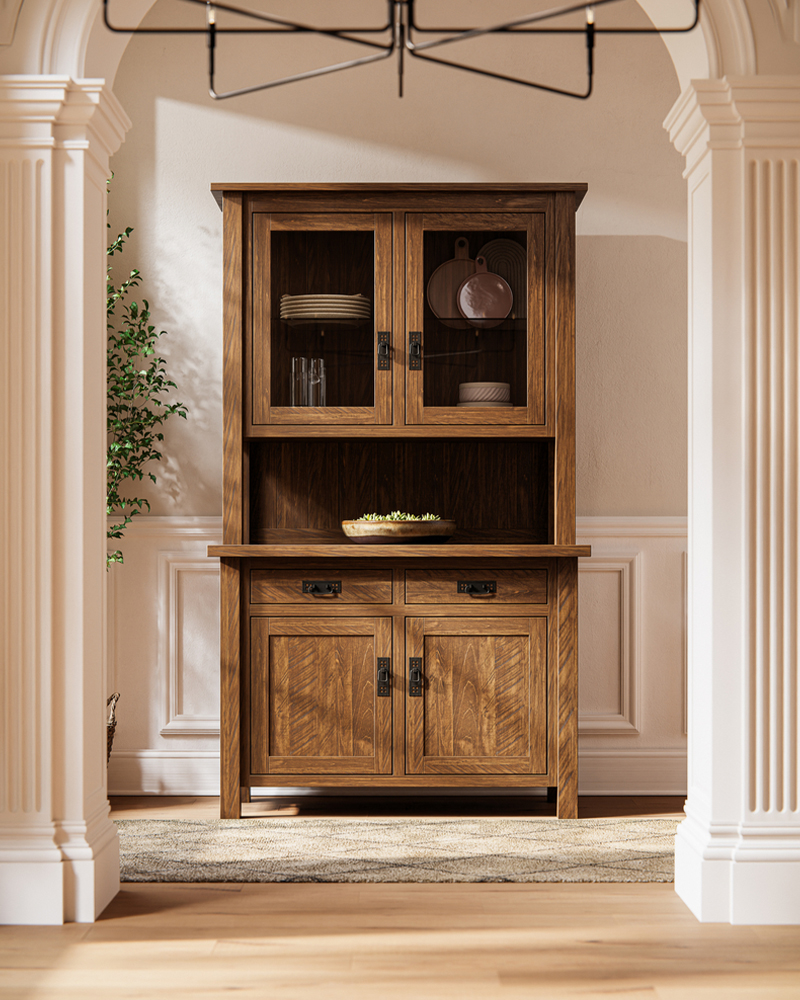
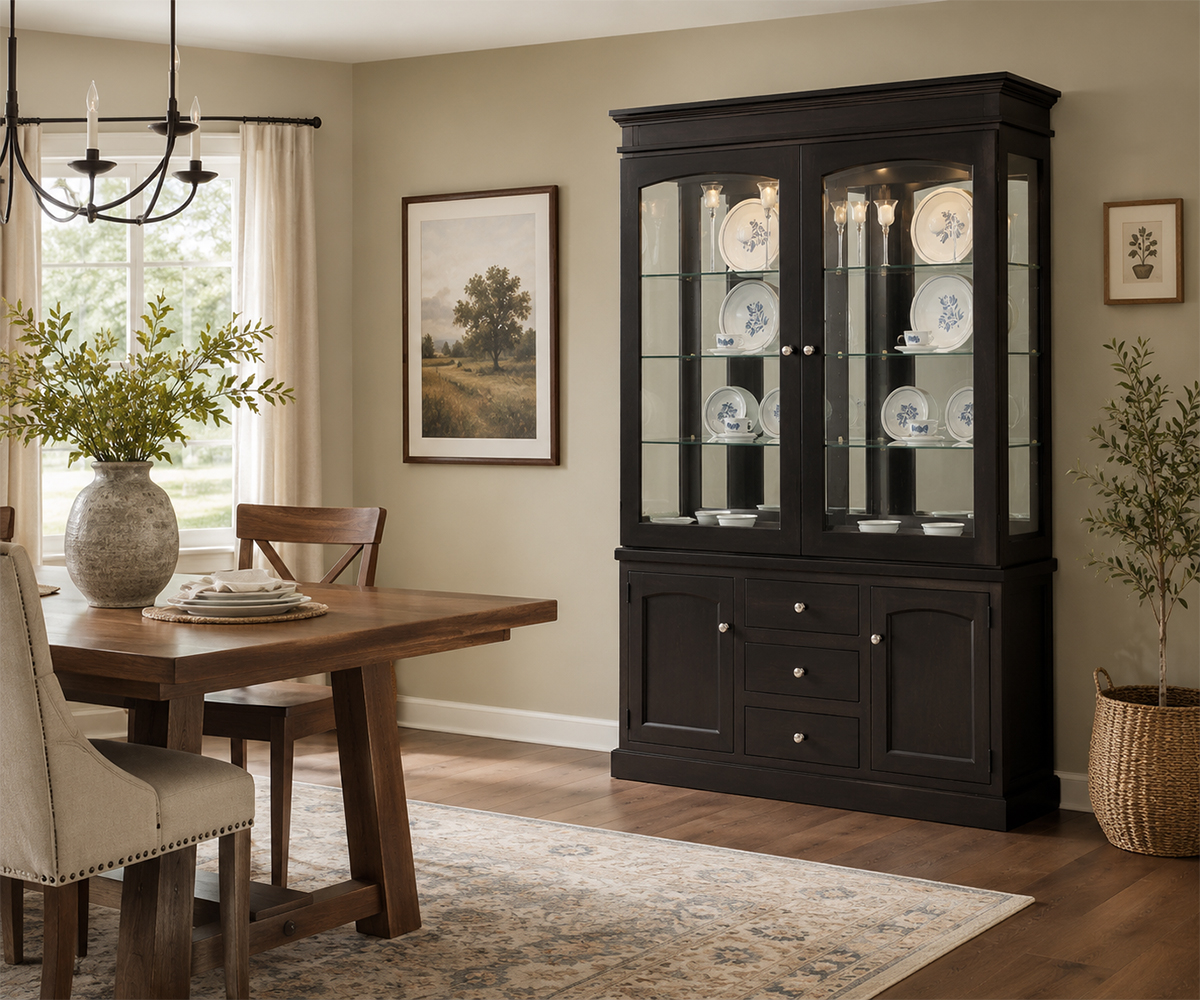
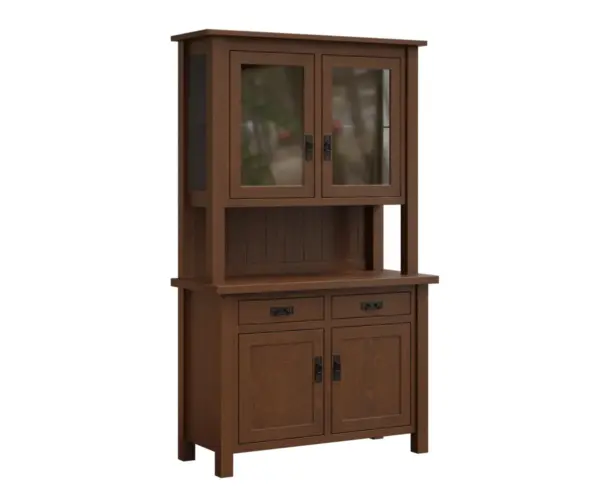
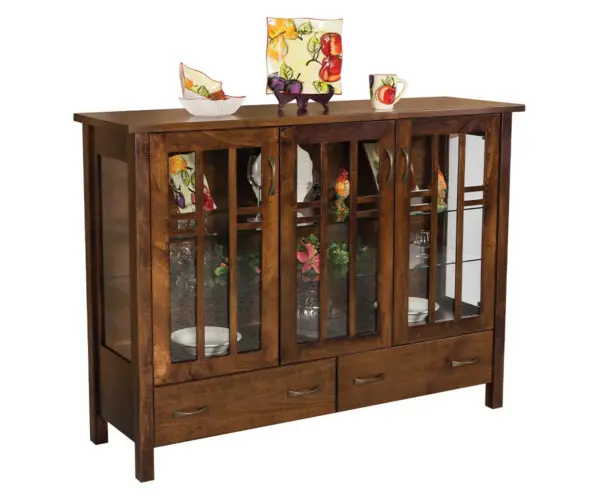
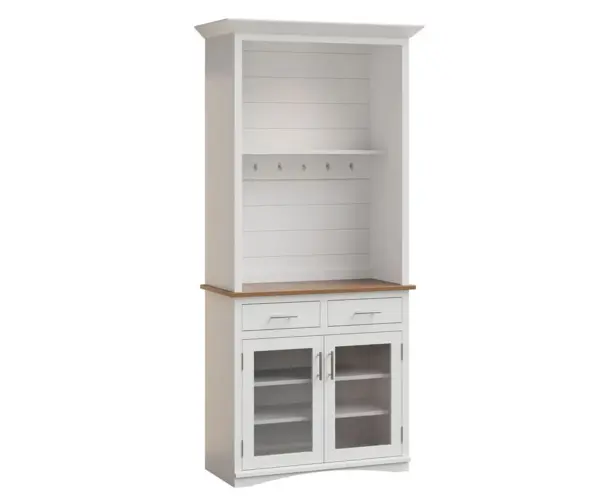
Wall hutches combine upper display cabinets with lower drawers, doors, or serving surfaces. They can hold dinnerware, glassware, table linens, serving pieces, and decorative objects while creating a substantial focal point along an open wall.
Many designs offer glass doors, adjustable shelving, lighting, or open serving areas. Because hutches can be large, measure both the final wall and the delivery route before selecting a size.
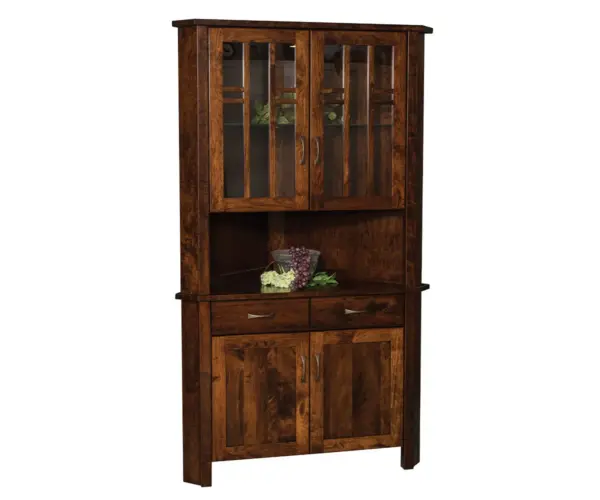
Corner hutches are shaped to fit into a room corner, allowing you to add storage without occupying a full straight wall. They work especially well in smaller dining rooms or layouts where windows and doorways limit furniture placement.
Although narrower than many wall hutches, a corner hutch can still provide useful shelving, drawers, and cabinet storage. It is a practical way to display favorite pieces while making productive use of otherwise empty space.
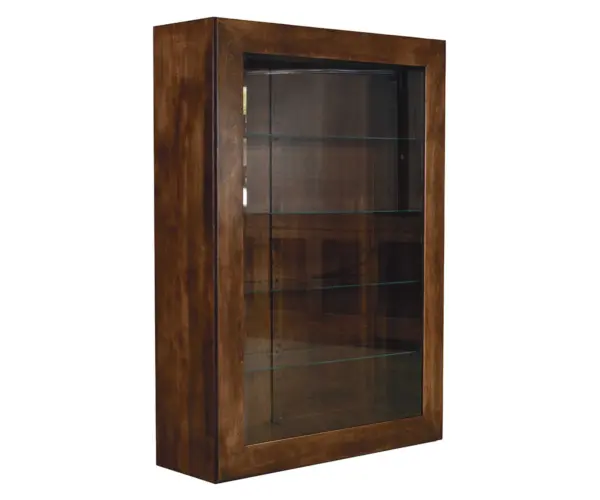
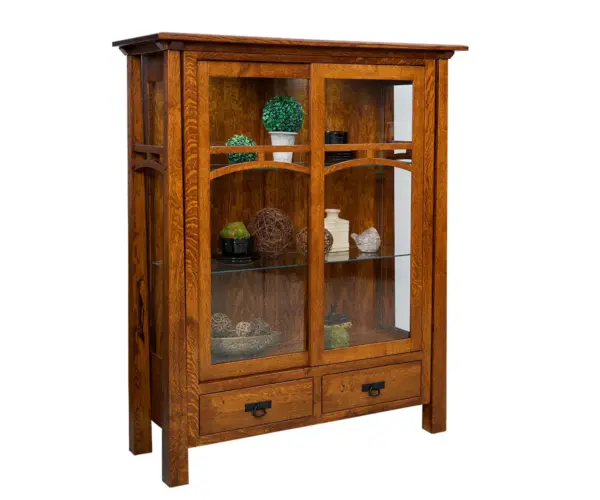
Curio cabinets are designed primarily for displaying collectibles, glassware, keepsakes, or decorative pieces. Glass doors and sides allow the contents to remain visible while helping protect them from dust and frequent handling.
Consider shelf height, lighting, and the size of the items you plan to display. A curio can add vertical interest to a dining room without requiring the broader footprint of a traditional hutch.
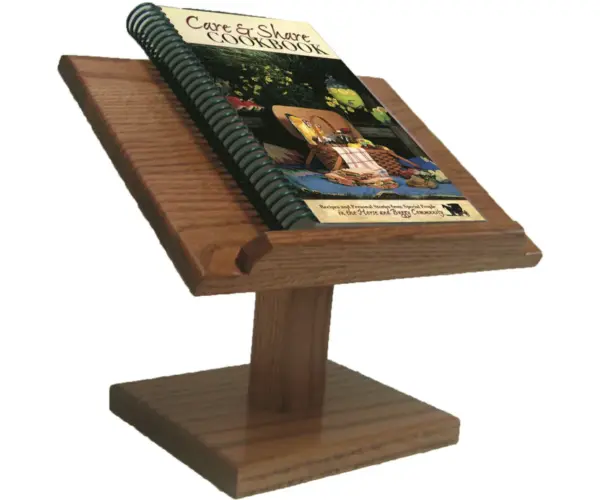
Pie safes and jelly cupboards bring historic character and practical enclosed storage into the dining room or kitchen. They can be used for pantry goods, linens, serving pieces, cookbooks, or everyday household items.
Pie safes often feature decorative punched-tin or screened door panels, while jelly cupboards typically provide solid or glass-paneled cabinet doors. Both work well when you want freestanding storage with a more informal, farmhouse-inspired appearance.
Our Latest Dining Hutches
Our Latest Curios
Make Serving and Entertaining Easier
Supporting furniture can make the dining room and kitchen easier to use, especially when preparing meals or hosting guests. Buffets provide substantial storage and serving space, servers offer a lighter and more compact alternative, kitchen islands add a central work surface, and coffee or wine cabinets organize beverages in one dedicated area
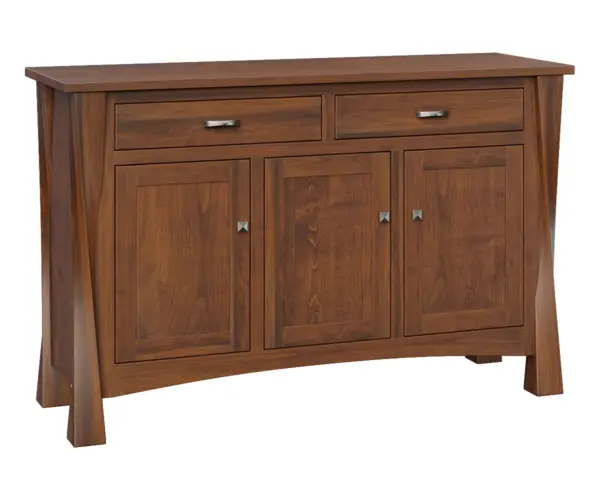
Buffets
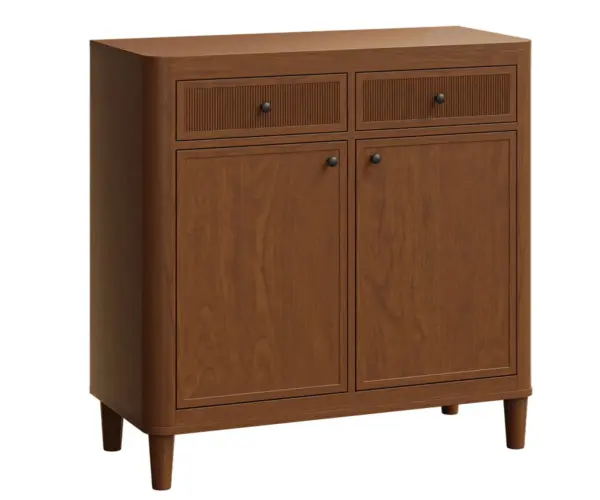
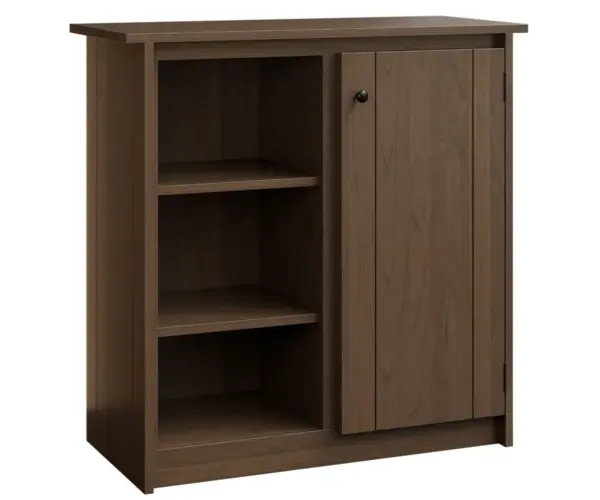
Buffets are substantial storage cabinets with a wide top that can be used for serving food, arranging drinks, or displaying décor. The interior may include drawers, shelves, doors, or specialized storage for dining essentials.
Coffee Bars and Wine Cabinets
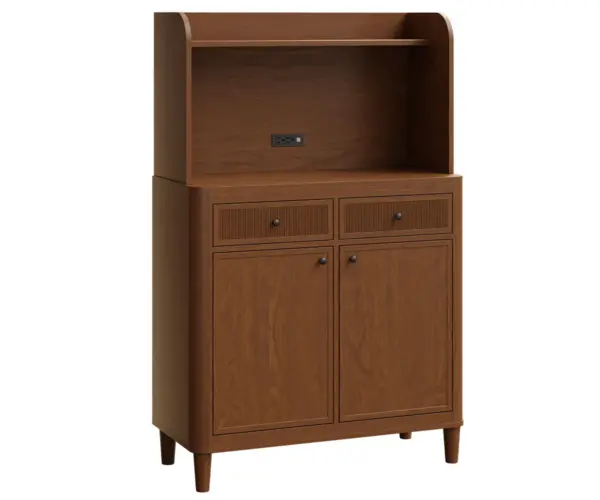
Coffee bars and wine cabinets create a dedicated area for preparing and storing beverages. Coffee bars may include space for a coffeemaker, mugs, supplies, and small appliances, while wine cabinets can organize bottles, glassware, and serving accessories.
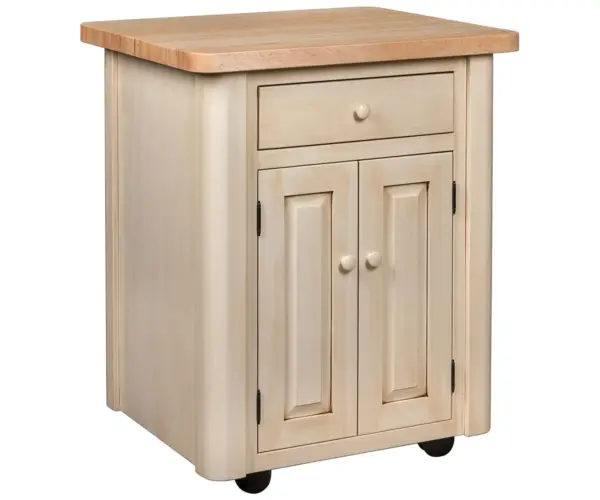
Kitchen Islands
Kitchen islands add a freestanding work and storage area where permanent cabinetry may be limited. Depending on the design, an island may include drawers, doors, shelves, a butcher-block surface, casters, or space for seating.
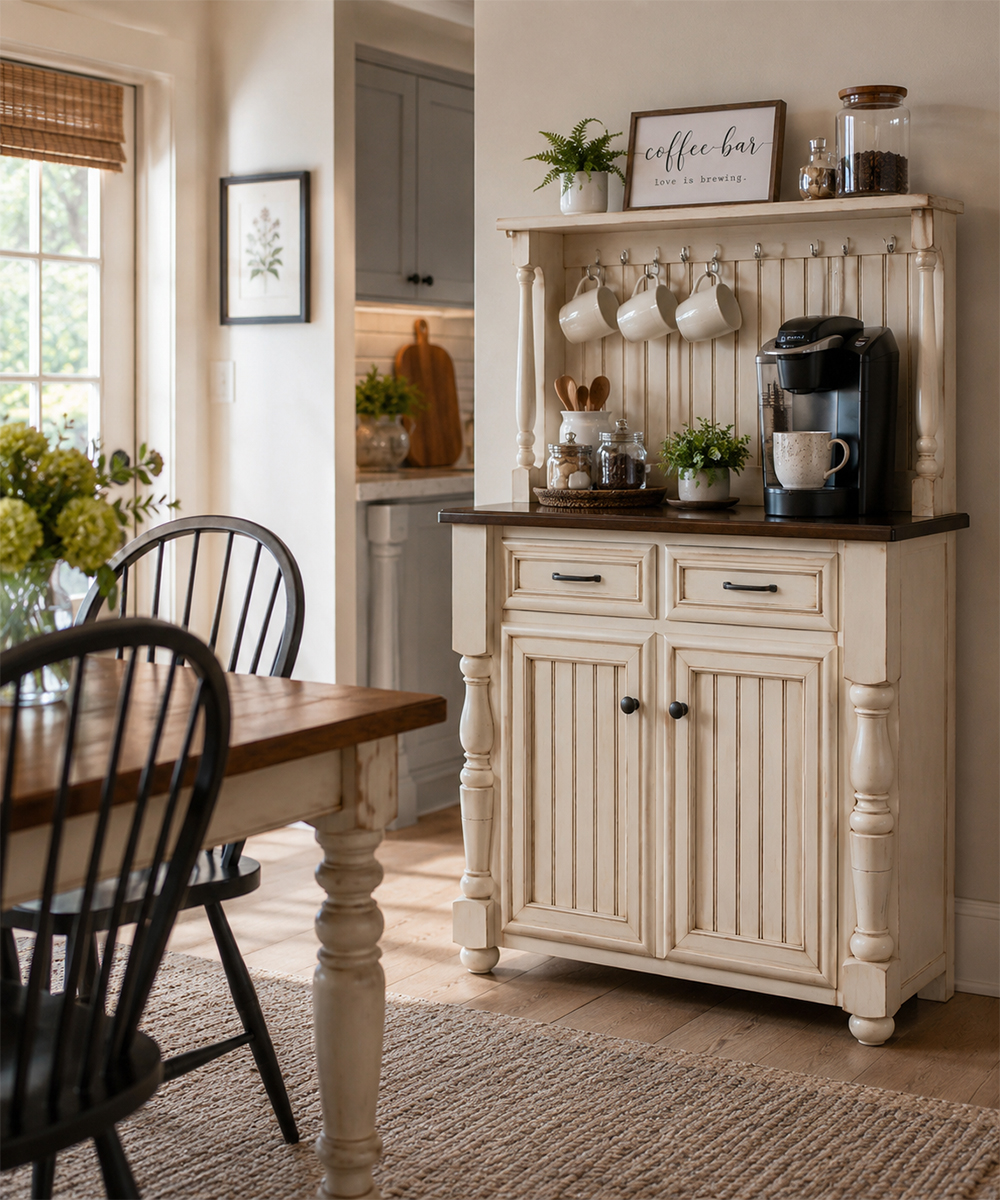
Our Latest Buffets
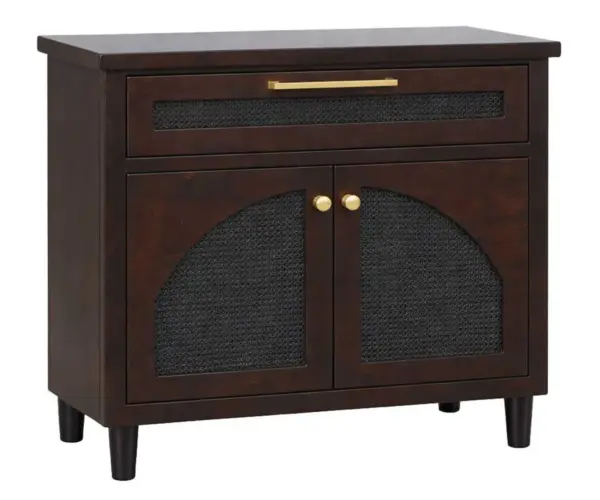
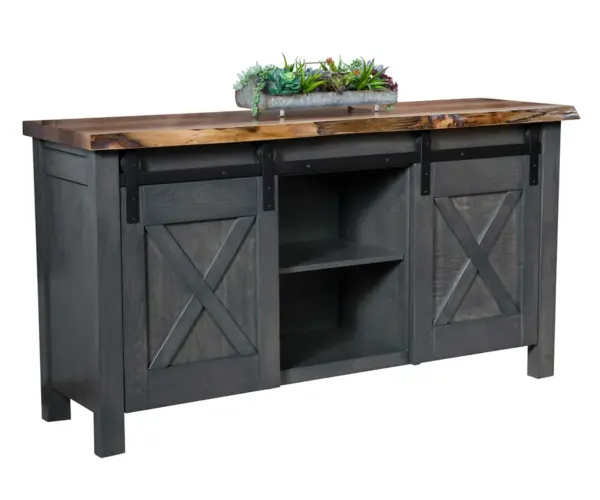

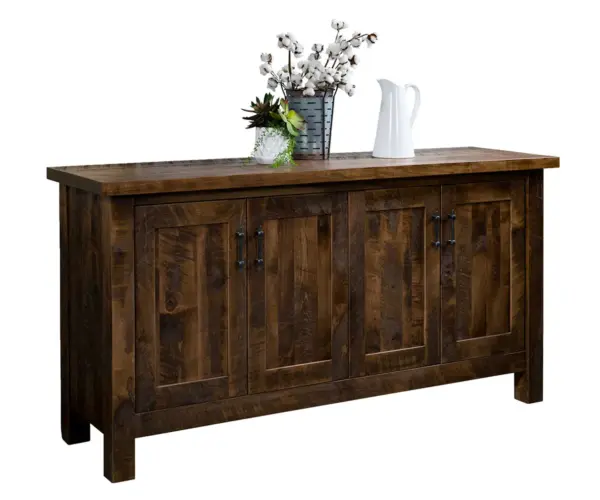
Our Latest Coffee Bars
Personalize Your Furniture
Customize Dining Furniture Around Your Home
A dining table should comfortably fit the room while providing enough seating for both everyday meals and larger gatherings. The surrounding chairs, benches, hutches, and serving cabinets should support that arrangement without making the space feel crowded. Customization helps bring those needs together in furniture designed specifically for your home.
Begin with a table or collection you love, then explore the available wood species, finish colors, sizes, edge profiles, leg or pedestal designs, chair styles, hardware, and storage configurations.
- Choose a table size that supports everyday meals while leaving room for comfortable movement.
- Select an extension system that provides additional seating when family and guests arrive.
- Coordinate your seating styles with matching chairs, contrasting end chairs, or a dining bench.
- Personalize the hardwood and finish to complement flooring, cabinetry, trim, and nearby furniture.
- Adjust available cabinet storage around dinnerware, linens, serving pieces, or beverage supplies.
- Select hardware and details that give the furniture a traditional, rustic, or contemporary character.
Dining Room Furniture Buying Guide
A functional dining area usually combines several furniture pieces with different responsibilities. The table establishes the primary layout, chairs and benches determine seating flexibility, and cabinets provide room for serving and storage. Use this comparison as a starting point, then measure your room and account for the space needed to pull out chairs, open doors, and move comfortably around the table.
| Furniture Piece | Best For | Main Function | Space Requirement | Capacity | Why Choose It |
|---|---|---|---|---|---|
| Leg Table | Everyday kitchens and dining rooms | Provides a versatile dining surface | Small to large | Varies by size and leaves | Offers a familiar design with many style and size options |
| Single-Pedestal Table | Breakfast areas and smaller dining rooms | Creates flexible seating around a central base | Small to medium | Commonly seats 4–6 | Reduces interference from corner legs |
| Trestle or Double-Pedestal Table | Larger households and frequent entertaining | Supports a long dining surface | Medium to large | Commonly seats 6 or more | Provides generous seating and a substantial focal point |
| Pub Table | Casual kitchens and entertainment spaces | Provides elevated dining or gathering space | Small to medium | Commonly seats 2–6 | Creates a relaxed, informal atmosphere |
| Dining Chair | Most dining arrangements | Provides supportive individual seating | Moderate space per person | One person | Offers the broadest selection of back, arm, and seat options |
| Dining Bench | Families and flexible seating arrangements | Seats several people along one side | Medium | Varies by bench length | Accommodates changing group sizes with fewer individual pieces |
| Hutch | Dinnerware storage and display | Combines cabinets, shelving, and serving space | Medium to large wall | High storage | Organizes dining essentials while creating a room focal point |
| Buffet or Server | Entertaining and additional storage | Provides a serving surface near the table | Medium wall width | Medium to high | Keeps serving pieces accessible without crowding the table |
| Kitchen Island | Kitchens needing more workspace | Adds preparation, storage, or casual seating | Requires open floor area | Varies by design | Adds function without installing permanent cabinetry |
Visit Our Arthur Showroom
Visit Amish Country Heirlooms in Arthur, Illinois
Visit the Amish Country Heirlooms showroom in Arthur, Illinois, to experience the quality, scale, wood grain, finishes, and construction of the furniture in person. Bring photographs or measurements of your dining room so the design team can help you compare pieces and plan a comfortable layout. The showroom is open Monday through Friday from 9:00 a.m. to 5:00 p.m. and Saturday from 9:00 a.m. to 4:30 p.m. You may also call (217) 543-2661 before your visit.
Dining Room Furniture FAQ’s
Begin by measuring the length and width of the room, then account for hutches, servers, doorways, and other furniture. A useful general guideline is to preserve approximately 36 inches between the table and surrounding walls or furniture, although more room may be preferable in heavily traveled areas. Also consider how large the table will become when extension leaves are added.
A leg table is supported at or near its four corners and offers a familiar, versatile appearance. A pedestal table uses one or more central bases, which can reduce interference around chair positions. A trestle table uses two supports connected by a horizontal stretcher and is often selected for longer tabletops and larger seating arrangements.
Seating capacity depends on the table’s length, width, shape, base, and chair size. As a general planning guideline, allow approximately 24 inches of table edge per person. Wider chairs, armchairs, table legs, and pedestal locations can affect the final number, so review the dimensions of the specific table and seating before ordering.
Dining chairs provide individual support and are easier to move independently. A bench creates flexible seating for several people and can give the room a more casual appearance. Many families combine chairs on three sides of the table with a bench on the fourth, providing both defined and adaptable seating.
Available customization may include hardwood species, finish color, table size, edge profile, base style, extension leaves, and other design details. Options vary according to the table and builder. The Amish Country Heirlooms design team can help you review the choices available for the style you prefer.
The pieces do not need to be identical, but repeating a few materials or design details helps the room feel intentional. You might coordinate the wood tone and finish while using contrasting chair styles, or pair a collection table with a complementary buffet. Matching hardware, leg shapes, or design lines can also connect different pieces.